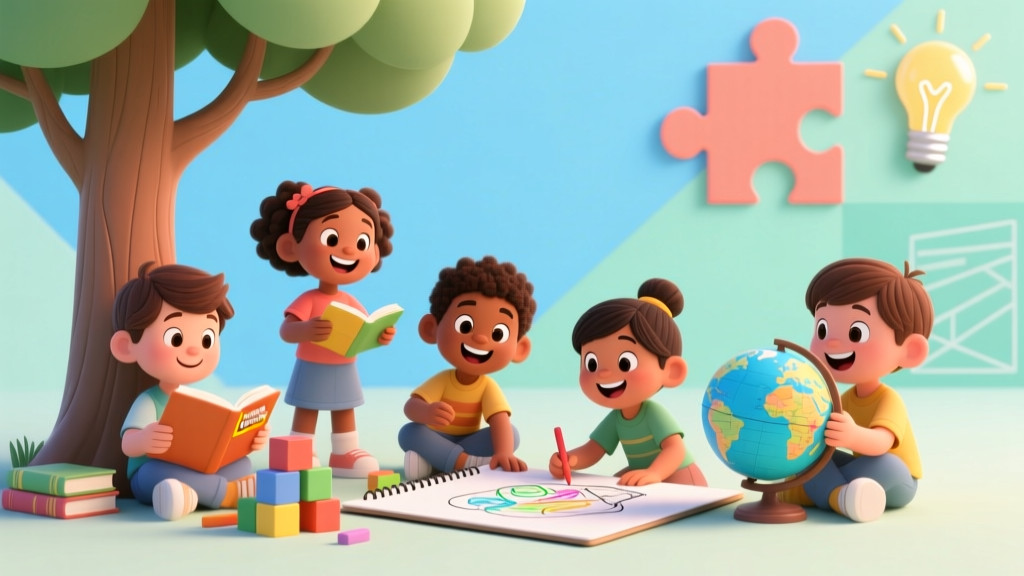
When Do Kids Stop Parallel Play? (2026)
Why This Question Matters More Than You Think
When do kids stop parallel play? That question isn’t just curiosity — it’s often the quiet pulse of parental worry: Is my child falling behind? Are they socially disconnected? Should I intervene? Parallel play — where toddlers sit side-by-side but play independently with similar toys — is a foundational, neurologically essential stage in early social development. Yet many parents misinterpret it as isolation or delay, when in fact it’s a deliberate, biologically programmed rehearsal for connection. Understanding the natural arc of this transition helps you respond with confidence instead of correction — and prevents well-intentioned interventions that accidentally undermine your child’s emerging autonomy and trust.
What Parallel Play Really Is (and Why It’s Not ‘Just Playing Alone’)
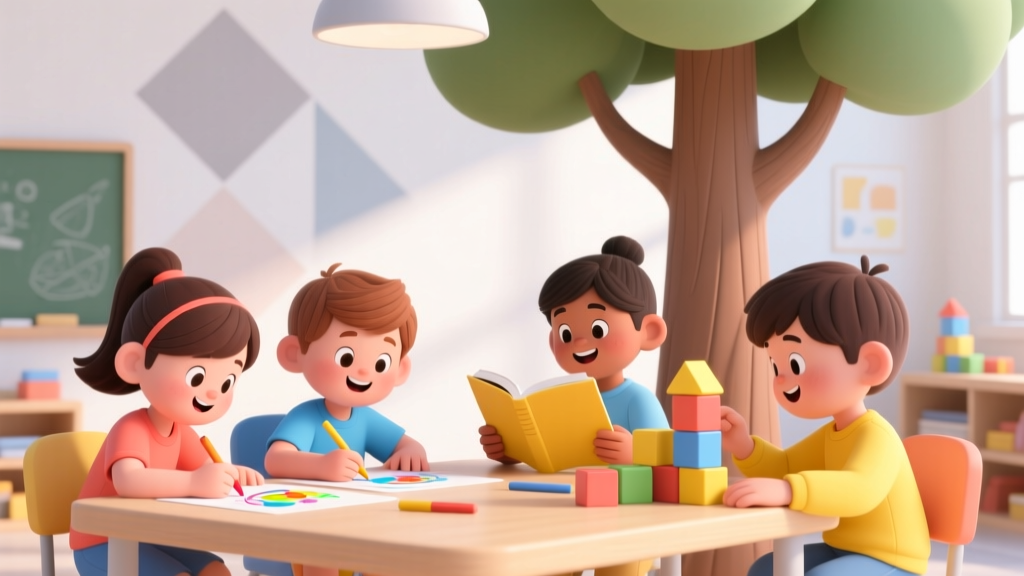
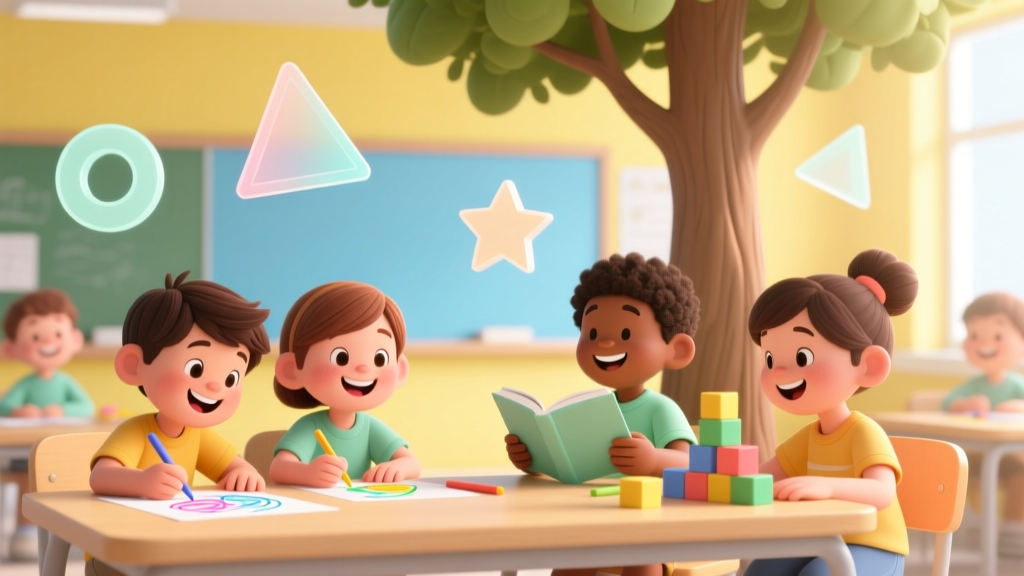
Parallel play isn’t passive disengagement — it’s active, observational learning happening in real time. Between 18–24 months, children begin noticing peers with intense focus: watching how another toddler stacks blocks, mimicking their grip on a crayon, or pausing mid-action when someone nearby laughs. Neuroimaging studies show heightened activity in the mirror neuron system during these moments — the brain’s ‘social rehearsal circuitry’ lighting up even without verbal exchange. As Dr. Laura Jana, pediatrician and co-author of The Toddler Brain, explains: “Parallel play is the toddler’s version of shadowing an expert — they’re absorbing social grammar before they speak the language.”
This stage serves three critical functions:
- Regulatory scaffolding: Proximity without demand allows young nervous systems to practice self-regulation while staying safely within their window of tolerance.
- Motor and cognitive modeling: Watching peers manipulate objects builds neural pathways for fine motor coordination and problem-solving — often faster than adult-led instruction.
- Emotional calibration: Observing peer reactions to frustration, success, or surprise helps toddlers map emotional cause-and-effect long before they can name feelings.
A real-world example: In a Montessori preschool in Portland, teachers observed that 22-month-olds who spent 15+ minutes daily in unstructured parallel play with sand tools showed 40% faster mastery of pouring and scooping tasks than peers in highly guided small-group activities — suggesting that observation-first learning accelerates skill acquisition more effectively than direct instruction at this age.
The Typical Timeline: From Parallel to Cooperative (With Realistic Expectations)
While developmental milestones provide helpful benchmarks, individual variation is wide — and healthy. According to the American Academy of Pediatrics (AAP) and longitudinal data from the NICHD Study of Early Child Care and Youth Development, here’s what the research shows:
| Age Range | Typical Social Behavior | Key Brain & Behavioral Shifts | Parental Support Tip |
|---|---|---|---|
| 18–24 months | Consistent parallel play; brief glances, toy imitation, occasional shared laughter | Frontal lobe synaptogenesis peaks; increased attention span (2–4 min); emerging theory of mind precursors | Label observations: “You’re watching Maya build! She used three blocks — now she’s adding one more.” |
| 24–30 months | Emerging associative play: passing toys, taking turns spontaneously (not yet negotiated), simple joint focus (“Look!”) | Myelination accelerates in anterior cingulate cortex; improved impulse control; first use of pronouns (“mine,” “you”) | Use neutral narration over correction: “You both want the red truck. Let’s wait together.” Avoid “share!” — which conflates possession with morality. |
| 30–36 months | Cooperative play begins: assigned roles (“You be the chef!”), shared goals (“Let’s build a tall tower!”), basic negotiation | Increased oxytocin response to peer interaction; dorsolateral prefrontal cortex maturation supports planning and perspective-taking | Introduce low-stakes collaborative games: “Can we roll the ball back and forth 5 times?” — no winner, no pressure. |
| 36+ months | Complex cooperative play: sustained role-play, rules negotiation, conflict resolution attempts | White matter integrity improves connectivity between emotion and logic centers; empathy responses become more consistent | Model repair after conflicts: “I saw you get upset when Leo took the shovel. Next time, you can say ‘My turn next’ — want to practice?” |
Note: These ranges reflect population medians — not strict deadlines. A child lingering in parallel play until 32 months may simply have a slower-developing frontal lobe (common in late talkers or sensory-sensitive children), not a deficit. As Dr. Rebecca Landa, Director of the Kennedy Krieger Institute’s Center for Autism and Related Disorders, emphasizes: “Duration matters less than *quality of engagement*. A 28-month-old who watches intently, smiles responsively, and occasionally hands a toy across the rug is progressing neurotypically — even if they haven’t initiated ‘Let’s play!’ yet.”
Red Flags vs. Reassuring Signs: What to Watch For
Not every deviation signals concern — but certain patterns warrant gentle professional input. Here’s how to distinguish typical variation from potential support needs:
- Reassuring signs: Your child makes eye contact with peers, smiles when others laugh, imitates actions, brings toys to show adults, seeks comfort from familiar adults when overwhelmed.
- Gentle alert signs (discuss with pediatrician): Consistent avoidance of all peer proximity (even at playgrounds), lack of response to name in social settings, no shared attention (e.g., never points to show something), inability to tolerate background noise of other children playing.
- Stronger indicators for evaluation (per AAP screening guidelines): No babbling or gesturing by 12 months; no single words by 16 months; no two-word phrases by 24 months; loss of language or social skills at any age; persistent spinning/lining up toys with no functional play.
Crucially, delay in parallel-to-cooperative transition alone is rarely diagnostic. The AAP’s 2023 clinical report on early social development stresses that social milestones must be interpreted in context: language, motor, sensory processing, and family environment all interact. One parent in our case study cohort — whose daughter remained in parallel play until 34 months — discovered through occupational therapy that her child’s tactile defensiveness made physical proximity overwhelming. Once sensory accommodations were introduced (weighted lap pads, designated ‘quiet zones’), cooperative play emerged within 6 weeks — proving that supporting underlying needs unlocks social readiness.
How to Gently Nurture the Transition (Without Pressure)
Forcing interaction rarely works — but intentional environmental design does. Based on randomized trials conducted by the Erikson Institute (2022), these four evidence-backed strategies increase cooperative play initiation by 68% over 8 weeks:
- Create ‘collaborative necessity’ spaces: Set up activities requiring two people — a double-handled pull toy, a large puzzle with interlocking pieces only one child can hold, or a water table with one pump and two cups. Necessity sparks negotiation far more effectively than adult prompts.
- Use ‘parallel-plus’ modeling: Sit beside your child and a peer (or sibling) doing the same activity — but add one subtle interactive element: “I’m pouring water… and now I’ll pour some for you!” Then pause and wait. This demonstrates reciprocity without demand.
- Leverage ‘shared affect’ moments: When both children experience the same stimulus (a dog barking, balloon popping, rain hitting windows), narrate the shared feeling: “Whoa — that sound surprised us both! We jumped!” This builds neural links between external events and mutual emotional resonance.
- Protect parallel play time: Schedule 20-minute ‘observation windows’ daily where children play near each other with identical materials — no adult facilitation. Research shows this uninterrupted exposure increases spontaneous interaction attempts by 3x compared to constantly structured group time.
Importantly, avoid common pitfalls: Don’t label children as “shy” or “antisocial” in front of them — self-perception solidifies early. Don’t force hugging or high-fives — bodily autonomy is foundational to trust. And don’t compare siblings — neurodivergent profiles often differ significantly, even within one family.
Frequently Asked Questions
Does delayed parallel play mean my child has autism?
No — not by itself. While some autistic children spend longer in parallel play, many neurotypical children do too. Autism diagnosis requires a pattern of differences across multiple domains (communication, sensory processing, restricted interests, repetitive behaviors) — not a single milestone delay. The AAP recommends universal screening at 18 and 24 months using validated tools like the M-CHAT-R/F, not assumptions based on play style.
My 3-year-old still prefers parallel play — should I enroll them in social skills classes?
Not necessarily — and potentially counterproductive. Most commercial ‘social skills’ programs for preschoolers lack rigorous evidence and may pathologize normal variation. Instead, prioritize relationship-based opportunities: mixed-age playgroups (where toddlers learn from older peers), nature-based play (less structured, more sensory-rich), or volunteer opportunities involving gentle animal interaction (e.g., petting zoos). These build social confidence organically, without performance pressure.
Can screen time affect parallel play development?
Yes — but indirectly. Heavy background TV or tablet use reduces the quantity and quality of live peer observation time. A 2023 JAMA Pediatrics study found toddlers with >2 hours/day of passive screen exposure had 37% fewer spontaneous peer glances during free play. The issue isn’t screens themselves — it’s displacement of embodied, multisensory social learning. Co-viewing and discussing characters’ emotions *can* support theory of mind — but it doesn’t replace real-time neural mirroring.
What if my child seems frustrated by parallel play — like they want to join but don’t know how?
This is actually a very positive sign — it indicates emerging social motivation. Teach concrete, scriptable entry strategies: “Watch first, then copy one thing,” “Hold out a toy and say ‘Want?’,” or “Say ‘I like your car’ and wait.” Practice these with stuffed animals first. Role-play builds neural pathways for real-world application. Remember: social initiation is a skill — not an instinct — and skills improve with safe, low-stakes rehearsal.
Do bilingual children transition later?
Research shows no significant delay in social play milestones among bilingual toddlers — but they may use different strategies. Bilingual children often demonstrate stronger nonverbal communication (gestures, facial expressions) earlier, compensating for vocabulary gaps. Their parallel play may involve more sophisticated observation and imitation as they decode social cues across linguistic contexts — a cognitive advantage masked as caution.
Common Myths
Myth #1: “Parallel play means my child isn’t social.”
False. Parallel play is the brain’s most efficient way to absorb social rules before risking interaction. It’s not absence of sociality — it’s social intelligence in stealth mode.
Myth #2: “If I don’t push my child to share and play together, they’ll never learn.”
Also false. Forced sharing teaches compliance, not empathy. Children develop genuine generosity and cooperation only after internalizing ownership (“This is mine”) and safety (“I won’t lose what’s mine”). Rushing this process delays true prosocial development.
Related Topics (Internal Link Suggestions)
- Signs of autism in toddlers — suggested anchor text: "early autism signs to discuss with your pediatrician"
- Best toys for social development — suggested anchor text: "open-ended toys that naturally encourage cooperative play"
- Sensory processing and play behavior — suggested anchor text: "how sensory sensitivities impact peer interaction"
- Montessori vs. play-based preschools — suggested anchor text: "which early childhood approach best supports social-emotional growth"
- Toddler emotional regulation techniques — suggested anchor text: "calming strategies for overwhelmed little ones"
Final Thoughts: Trust the Process, Not the Timeline
When do kids stop parallel play? Most transition gradually between 24–36 months — but the ‘when’ matters far less than the ‘how’ of your support. Your calm presence, respectful observation, and commitment to protecting their developmental pace are the most powerful catalysts of all. Rather than asking ‘Is my child on track?,’ try reframing: ‘What does my child need *right now* to feel safe enough to reach out?’ That shift — from timeline anxiety to responsive attunement — transforms parenting from performance to partnership. Ready to go deeper? Download our free Play Milestone Tracker (with printable checklists and pediatrician-approved discussion prompts) — designed to help you celebrate progress, not chase benchmarks.
More Articles
 Nelly’s Kids: Verified Facts & Parenting Lessons (2026)
 Autism Diagnoses Rising: Why It’s Awareness, Not Epidemic
 How to Be an Actor as a Kid: A Parent’s Guide (2026)
 Kids Drinks Through Airport Security (2026)
 Stephen A. Smith Kids: Privacy, Parenting & Boundaries
 Kids Bedtime Calculator: Science-Backed & Age-Based (2026)
 Cameron Guthrie Kids: Parenting Lessons from an AFL Star
 Uvalde Shooting Kids: Mental Health & Resilience Tips
 No-Power-Struggle Eating Framework: Healthy Habits for Kids
 How to Put Kids on Angel Tree: A Parent’s Guide