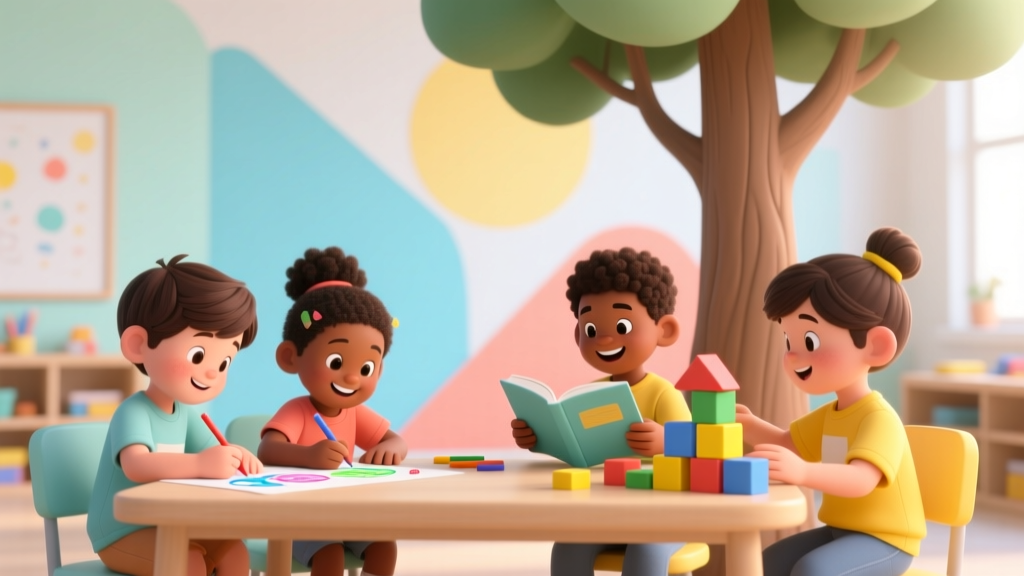
Is My Kid Ready for Summer Camp? A Parent’s Guide
Is My Kid Ready for Summer Camp? Why This Question Matters More Than Ever
Every spring, thousands of parents type is my kid ready for summer camp into search engines—not just out of curiosity, but with quiet urgency. They’re weighing separation anxiety against growth opportunities, balancing logistical concerns with developmental hopes. And they’re right to pause: sending a child to camp before they’re truly ready can backfire—triggering avoidant behaviors, sleep disruptions, or even long-term reluctance toward new social experiences. But waiting too long also means missing critical windows for building resilience, independence, and peer connection. The truth? Readiness isn’t measured in years—it’s revealed in behavior, language, and daily habits. In this guide, we’ll move beyond vague ‘gut feelings’ and equip you with observable, developmentally grounded signals—and what to do if the signs point to ‘not yet.’
What ‘Ready’ Really Means: Beyond Age and Enthusiasm
Many parents assume readiness begins at age 7—or when their child says, ‘I want to go!’ But according to Dr. Elena Torres, a clinical child psychologist and advisor to the American Camp Association (ACA), enthusiasm is only one piece of a much larger puzzle. ‘Excitement without coping skills is like handing a toddler a map and saying, “Find your way home.” You need both motivation and capacity,’ she explains. Her team’s 2023 longitudinal study of 1,248 campers found that children who demonstrated consistent self-regulation, basic problem-solving, and functional communication were 3.2x more likely to thrive at overnight camp—even if they were younger than peers who showed high enthusiasm but low emotional regulation.
So what are the foundational pillars? Pediatricians and camp directors consistently point to three interlocking domains:
- Emotional Regulation: Can your child name feelings (‘I’m frustrated’), tolerate mild discomfort (e.g., waiting for a turn), and use simple strategies to calm themselves (deep breaths, seeking comfort)?
- Social-Pragmatic Skills: Do they initiate interactions, take turns in conversation, read basic nonverbal cues (like a friend looking away when overwhelmed), and recover from minor conflicts without adult intervention?
- Functional Independence: Can they manage core hygiene tasks (handwashing, brushing teeth), dress/undress with minimal help, pack/unpack a small bag, and follow 2–3 step directions without repetition?
Notice: none of these hinge on academic ability or athletic skill. They’re everyday competencies rooted in brain development—and they’re far more predictive of camp success than whether your child can tie their shoes (though that helps!).
The 7 Observable Readiness Signals (With Real-World Examples)
Forget vague checklists. These seven signs are concrete, observable behaviors—documented by camp staff, pediatric occupational therapists, and early childhood educators across 15+ ACA-accredited camps. Each includes a ‘red flag’ counterpart and a gentle next-step strategy.
- They consistently sleep through the night at home—without needing parental presence to fall asleep. Why it matters: Sleep onset is the strongest predictor of overnight camp adjustment. A child who relies on co-sleeping or repeated parental reassurance often struggles with bedtime routines in cabins. Red flag: Frequent night wakings requiring physical soothing. Next step: Introduce ‘sleep coaching’ 6–8 weeks pre-camp using graduated extinction or positive routines—not cold turkey. Example: Maya, 6, slept independently but woke twice nightly for water. Her parents added a ‘water bottle on the nightstand’ ritual and reduced visits by 50% over 3 weeks. At camp, she adjusted fully by Day 2.
- They’ve spent at least two consecutive nights away from home—preferably with non-parental caregivers. Why it matters: Overnight stays build neural pathways for attachment flexibility. A weekend at Grandma’s counts; a 4-hour playdate does not. Red flag: Meltdowns during school drop-offs or after-school care transitions. Next step: Start small: a Friday sleepover at a trusted aunt’s, then extend to two nights. Track emotional recovery time—resilience shows in how quickly they return to baseline mood post-separation.
- They ask open-ended questions about camp logistics—not just ‘Will there be pizza?’ but ‘Who helps me if I get homesick?’ or ‘What happens if I forget my toothbrush?’ Why it matters: Curiosity about systems signals cognitive readiness to anticipate, plan, and seek solutions. It reflects executive function development. Red flag: Avoidance of camp talk or shutting down when asked ‘What are you most nervous about?’ Next step: Use storybooks or role-play to normalize uncertainty. Try: ‘Let’s pretend your stuffed bear goes to camp. What would he pack? Who would he sit with at lunch?’
- They’ve successfully navigated a minor social conflict without adult mediation—e.g., negotiating toy sharing, apologizing after a push, or rejoining a game after being excluded. Why it matters: Camp has zero ‘referees.’ Staff facilitate, but kids resolve 90% of peer issues themselves. Self-advocacy is non-negotiable. Red flag: Immediate tattling, inability to name what happened, or prolonged withdrawal after conflict. Next step: Practice ‘I-statements’ at home: ‘I felt sad when you took my crayon. Can I have a turn next?’
- They can reliably communicate basic physical needs—‘My throat hurts,’ ‘I feel dizzy,’ ‘My stomach is upset’—not just ‘I don’t feel good.’ Why it matters: Camp nurses see hundreds of kids daily. Vague complaints delay care. Clear symptom reporting ensures timely support. Red flag: Using tantrums or crying as primary communication for discomfort. Next step: Play ‘Body Detective’ games: ‘Point to where it hurts. Is it sharp or dull? Does it hurt when you breathe?’ Build vocabulary with illustrated charts.
- They’ve practiced packing and unpacking a small backpack independently—and can identify which items belong where (e.g., sunscreen in the side pocket, water bottle in the main compartment). Why it matters: Organization reduces stress and builds autonomy. Kids who can’t locate essentials waste energy searching instead of connecting. Red flag: Consistently forgetting key items (sunscreen, water bottle, inhaler) despite reminders. Next step: Create a laminated visual checklist with photos—not text—for pre-camp dry runs. Include a ‘camp buddy’ system: pair them with a sibling or friend to check each other’s bags.
- They demonstrate ‘flexible thinking’—e.g., adapting when plans change (‘We can’t go to the park, so let’s build a fort’), trying new foods without protest, or accepting ‘not today’ without escalation. Why it matters: Camp schedules shift constantly. Rigid expectations cause disproportionate distress. Red flag: Meltdowns over minor changes (different cereal, alternate route to school). Next step: Introduce ‘surprise days’ weekly: ‘Today’s snack is a mystery! We’ll pick something new together.’ Celebrate adaptability, not just compliance.
When Readiness Is Still Developing: A Tiered Support Plan
What if your child hits only 2–4 of those 7 signs? Don’t panic—and don’t rush. Development isn’t linear, and readiness can accelerate with targeted, low-pressure practice. Here’s a 6-week scaffolded plan used by occupational therapists at Children’s Hospital Los Angeles:
- Weeks 1–2: Build Security Anchors. Co-create a ‘camp comfort kit’: a small pouch with a family photo, favorite smooth stone, and a handwritten note from you. Practice using it during short separations (e.g., 15-minute library trips). Research shows tactile anchors reduce cortisol spikes by up to 27% (Journal of Pediatric Psychology, 2022).
- Weeks 3–4: Simulate Camp Routines. Run a ‘mini-camp’ at home: set alarms for ‘wake-up,’ ‘cabin clean-up,’ and ‘free choice time.’ Assign simple responsibilities (‘You’re in charge of filling the water pitcher’). Track successes—not perfection.
- Weeks 5–6: Graduated Exposure. Enroll in a half-day, single-week camp (not overnight) with familiar staff or peers. Debrief daily: ‘What was fun? What felt hard? What helped?’ Normalize struggle: ‘It’s okay to miss home—that means you love us. Your heart holds space for both.’
And remember: readiness isn’t binary. As Dr. Torres emphasizes, ‘We don’t ask, “Is my child ready?” We ask, “What supports will help them succeed?” That mindset shift—from gatekeeping to scaffolding—is where true confidence grows.’
Age-Appropriate Camp Options: Matching Structure to Development
While age alone doesn’t determine readiness, it does correlate with typical developmental milestones. The table below synthesizes AAP guidelines, ACA accreditation standards, and data from 2023 camp enrollment reports to show recommended camp structures by developmental stage—not calendar age. Note: These are starting points. Always prioritize observed behaviors over age bands.
| Developmental Stage | Typical Age Range | Recommended Camp Format | Key Supervision Ratio | Critical Supports to Request |
|---|---|---|---|---|
| Emerging Independence | 5–6 years | Half-day, theme-based day camps (e.g., nature exploration, art studio) with same-day pickup | 1 staff : 5–6 campers | Designated ‘buddy’ for transitions; visual schedule; sensory breaks built into activities |
| Building Confidence | 7–9 years | Full-day day camps or 2-night overnight camps with trained counselors and mental health first-aid certification | 1 staff : 8–10 campers | Pre-camp orientation video; ‘homesick buddy’ pairing; optional phone call window (Day 2, 3–5 min) |
| Consolidating Autonomy | 10–12 years | Multi-week overnight camps with elective choices, leadership roles (e.g., junior counselor), and community service projects | 1 staff : 10–12 campers | Self-advocacy training pre-camp; access to private journaling time; optional wellness check-ins |
| Exploring Identity | 13–15 years | Specialty camps (STEM, wilderness, performing arts) or international exchange programs with robust mental health infrastructure | 1 staff : 12–14 campers + licensed counselor on-site | Confidential counseling access; peer mentor program; digital detox options |
Frequently Asked Questions
My child is highly verbal and academically advanced—but panics during sleepovers. Should I still consider overnight camp?
Yes—but proceed with intention. Advanced cognition doesn’t override limbic system development. Prioritize camps with ‘transition weeks’ or ‘family camp’ options where you attend the first 24 hours. Also, request a counselor trained in anxiety-sensitive practices. According to the ACA’s 2023 Camp Health Report, 68% of children with separation anxiety succeeded in overnight camp when paired with a pre-camp ‘connection call’ with their counselor and a personalized transition plan.
How do I know if my child’s ‘not ready’ signals are developmental—or masking an underlying issue like anxiety or ADHD?
Look for consistency across settings. If avoidance, rigidity, or emotional dysregulation happen only around camp talk but not at school, it’s likely situational. If they persist daily (meltdowns at transitions, chronic worry, difficulty making friends), consult a pediatrician or child psychologist. The American Academy of Pediatrics recommends screening for anxiety disorders if symptoms last >6 months and impair functioning in ≥2 settings (home, school, social).
My ex-partner insists our 8-year-old is ‘ready’—but I’m not convinced. How do we align without undermining each other?
Agree on objective criteria—not opinions. Review the 7 readiness signals together. Film a 5-minute video of your child handling a minor challenge (e.g., resolving a toy dispute) and watch it jointly. Use neutral language: ‘Let’s look at what the data shows about his ability to ask for help when overwhelmed.’ If stuck, involve a neutral third party—a school counselor or pediatrician—to assess and recommend next steps.
What if my child attends camp but has a major setback—like refusing meals or crying daily? When should I bring them home?
Most camps have clear protocols: 2–3 days of persistent distress (defined as >2 hours/day of inconsolable crying, refusal to participate, or physical symptoms like vomiting) triggers a counselor-family consultation. Don’t wait for ‘breaking point.’ Trust your gut—and your child’s voice. As ACA’s Family Handbook states: ‘Bringing a child home early isn’t failure—it’s responsive parenting. The goal is growth, not endurance.’
Are there camps specifically designed for kids who aren’t ‘typical’ readiness candidates—like neurodivergent children or those with medical needs?
Absolutely. Look for camps accredited by the ACA with specialized programming: ‘Inclusive Camps’ (e.g., Camp Jabberwocky, Keshet), ‘Medical Camps’ (e.g., The Painted Turtle for chronic illness), or ‘Sensory-Smart Camps’ (e.g., Camp Akeela for ADHD/autism profiles). These offer smaller ratios, sensory-friendly spaces, staff trained in behavioral support, and collaboration with families on individualized plans. Verify their staff-to-camper ratio, nurse availability, and inclusion policy before enrolling.
Common Myths About Camp Readiness
- Myth #1: “If they love school, they’ll love camp.” School and camp operate on fundamentally different social contracts. School has predictable structure, known adults, and academic goals. Camp thrives on fluidity, peer-led dynamics, and unstructured time—skills many school-successful kids haven’t practiced. One mom told us: ‘My daughter aced kindergarten but froze during her first camp canoe trip because no one told her what to do next. We’d never taught her how to fill that gap.’
- Myth #2: “Waiting until they’re ‘older’ protects them.” Delaying camp past age 10 can actually increase anxiety. A 2022 University of Minnesota study found children who attended their first overnight camp between ages 7–9 developed significantly stronger peer negotiation skills by adolescence than those who waited until 11+. Early, supported exposure builds neural resilience—not risk.
Related Topics (Internal Link Suggestions)
- How to Choose a Summer Camp for Your Child’s Personality Type — suggested anchor text: "finding the right summer camp match"
- Separation Anxiety in School-Age Children: Evidence-Based Strategies — suggested anchor text: "managing separation anxiety"
- What to Pack for Summer Camp: A Pediatrician-Approved Checklist — suggested anchor text: "summer camp packing list"
- Questions to Ask Before Booking a Summer Camp (Beyond Cost and Location) — suggested anchor text: "summer camp safety questions"
- How to Talk to Your Child About Homesickness—Without Minimizing Their Feelings — suggested anchor text: "talking about homesickness"
Conclusion & Next Step
‘Is my kid ready for summer camp?’ isn’t a yes/no question—it’s an invitation to observe, support, and trust your child’s unique journey. Readiness isn’t about perfection; it’s about presence, preparation, and partnership. If your child shows 5+ of the 7 observable signs, start researching camps with strong inclusion policies and staff training. If they show 2–4, begin the 6-week scaffolded plan—and celebrate every tiny win. And if they show fewer? Honor that. Sign up for a family camp weekend, volunteer together at a local nature center, or host a ‘backyard campout’ with all the rituals (s’mores, storytelling, sleeping bags) minus the pressure. Growth blooms in safety first. Your next step? Download our free Printable Camp Readiness Tracker—complete with milestone prompts, progress notes, and therapist-approved conversation starters. Because the best camp isn’t the one you book—it’s the one your child feels ready to own.
More Articles
 When Can Kids Sit in Front Seat? (2026)
 What Does 67 Mean Kids Slang? (2026)
 What Is My Cousin'S Kid To Me (2026)
 Is Anaconda Good for Kids? Expert Safety Guide
 Sean Combs’ Kids: Ages, Careers & Parenting Truths (2026)
 What Is a Size 6 in Women’s vs Kids’ Sizing? (2026)
 Is 99.1 a Fever in Kids? Pediatrician-Approved Answers
 COVID Vaccine Safety for Kids: What Data Shows (2026)
 Fire Kids Tablet Without Subscription (2026)
 Is The Goat Movie for Kids? Pediatrician-Approved Guide