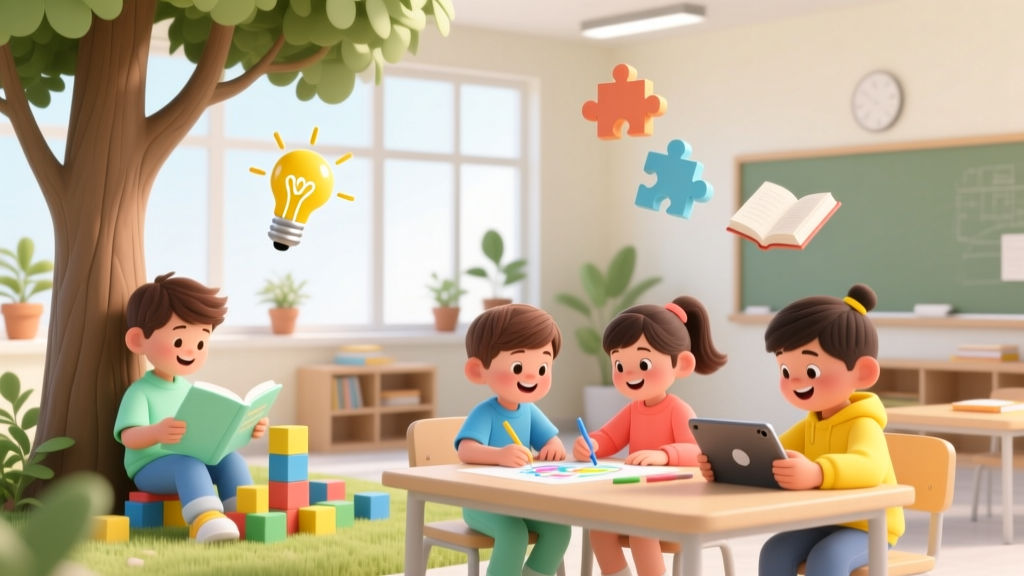
Explaining Addiction to Kids: 5 Gentle, Evidence-Based Steps
Why This Conversation Can’t Wait—And Why It Doesn’t Have to Be Overwhelming
If you’ve ever searched how to explain addiction to kids, you’re not alone—and you’re already doing something deeply important: choosing honesty over silence, connection over confusion. Children notice changes long before adults name them—withdrawal, mood shifts, broken promises, or a parent missing bedtime. When left unexplained, those gaps fill with fear, guilt, or self-blame. According to the American Academy of Pediatrics (AAP), children as young as 4 begin forming narratives about family stress, and by age 7–8, many misinterpret addiction as punishment for their behavior. That’s why this isn’t just about vocabulary—it’s about emotional scaffolding, developmental timing, and relational repair.
Start With Developmental Truths—Not Adult Definitions
Forget medical jargon. Kids don’t need to know dopamine pathways—they need to understand that some brains get ‘stuck’ in a loop, like a video game glitch that makes someone keep pressing the same button even when it stops working well. Dr. Lisa Damour, clinical psychologist and author of Under Pressure, emphasizes: “Children process big concepts through metaphor, routine, and relational safety—not abstraction.” So instead of defining addiction as ‘a chronic disease,’ try: “Sometimes people’s brains get confused about what feels good or safe—and they keep doing something that used to help but now causes problems. It’s not their fault, but it is their job to get help.”
This framing honors three non-negotiable developmental needs: (1) causal clarity (‘Why is this happening?’), (2) moral safety (‘Am I to blame?’), and (3) agency reassurance (‘What can I do?’). A 2022 study published in Journal of Child Psychology and Psychiatry found that children who received developmentally calibrated explanations showed 68% lower internalizing symptoms (anxiety, withdrawal) six months later compared to peers given vague or evasive answers.
Here’s how to calibrate by age:
- Ages 3–5: Use concrete, sensory language. “Uncle Mark’s medicine made his body feel wobbly and forgetful. His doctors are helping him learn new ways to feel strong again.” Avoid personifying substances (“the bad drug”)—it invites magical thinking.
- Ages 6–9: Introduce brain basics simply. “Our brain has a boss part (frontal lobe) and a feeling part (amygdala). Sometimes the feeling part shouts so loud the boss part can’t hear—especially if someone uses alcohol or drugs too much. Therapy helps the boss part practice listening again.”
- Ages 10–12: Add social context and choice. “Addiction isn’t about willpower—it’s about how repeated use changes brain wiring over time, making it harder to stop even when someone wants to. That’s why grown-ups need doctors, counselors, and support groups—just like someone with asthma needs an inhaler and a specialist.”
The 4-Step ‘Safe Talk’ Framework (Backed by Trauma-Informed Practice)
Developed by the National Child Traumatic Stress Network (NCTSN) and adapted for substance-related family stress, the Safe Talk framework ensures conversations land with dignity—not distress. It’s not linear; you’ll circle back often, and that’s intentional.
- Pause & Name the Feeling First: Before explaining addiction, validate what your child senses. “I see you’ve been quiet at dinner lately. Are you worried about Mom? Or confused about why she’s been tired?” Naming emotions disarms shame and opens trust.
- Anchor in Safety & Constancy: Explicitly state what hasn’t changed. “No matter what’s happening with Dad’s health, you are safe. Your bedtime, school, and hugs are still the same. And if anything ever feels unsafe, you tell me—or [trusted adult], and we fix it together.”
- Explain With ‘Brain + Behavior’ Language: Separate the person from the illness. “Addiction is like a broken brake in the brain—not a broken person. It makes it hard to stop using something, even when it hurts. That’s why treatment is like physical therapy for the brain.”
- Close With Agency & Ritual: Give your child one concrete, age-appropriate action. “You can help by drawing pictures for Mom’s recovery journal—or just being her hugger. And every Sunday, we’ll have our ‘check-in smoothie’ where we talk about one thing that felt hard and one thing that felt good.”
This structure works because it mirrors how children regulate stress: first co-regulation (you naming their feelings), then environmental predictability (safety statements), then cognitive scaffolding (brain-behavior link), and finally embodied participation (ritual + agency).
What to Say (and What to Never Say)—Real Phrases From Family Therapists
Language matters—not as semantics, but as neural architecture. Words activate specific brain networks: shame words (‘bad,’ ‘weak,’ ‘failure’) trigger threat responses; compassion words (‘healing,’ ‘learning,’ ‘support’) activate prefrontal regulation. Below are actual phrases used by licensed family therapists at the Hazelden Betty Ford Children’s Program, contrasted with high-risk alternatives:
| Goal | Therapist-Approved Phrase | Why It Works | Avoid Saying | Why It Harms |
|---|---|---|---|---|
| Clarify responsibility | “This is grown-up medicine, and grown-ups need special help to take it safely.” | Names the issue without blaming; affirms adult accountability | “Dad’s sick because he made bad choices.” | Invites moral judgment and self-blame (“Did I make bad choices too?”) |
| Normalize feelings | “It’s okay to feel sad, angry, or confused—even all at once. Those feelings are messengers, not mistakes.” | Validates complexity; teaches emotional literacy | “Don’t cry—it’ll be fine.” | Shames emotion; teaches suppression over processing |
| Protect against stigma | “Just like some people need glasses for their eyes or insulin for their blood sugar, some people need medicine and counseling for their brain.” | Frames addiction within universal healthcare models | “He’s an addict.” | Reduces person to diagnosis; erodes identity |
| Reinforce permanence of love | “Love isn’t something you earn or lose—it’s like air. It’s always here, even when things feel shaky.” | Anchors security in constancy, not performance | “We’ll love you no matter what—but you have to behave.” | Conditions love on compliance; triggers anxiety |
When Your Child Asks the Hard Questions—And How to Respond With Grace
Children ask startlingly precise questions—not to test you, but to test reality. Their queries reveal developmental milestones: “Will Mom die?” signals emerging abstract reasoning; “Did I cause this?” reveals egocentric cognition common until age 7–8. Here’s how to respond without deflection or overwhelm:
- “Is it my fault?” → Kneel to eye level. Hold hands. Say: “Nothing you did, said, or didn’t do caused this. Addiction lives in grown-up brains—not in your room, your report card, or your hugs. You are 100% not responsible.” Then pause. Let them absorb it. Repeat if needed.
- “Will they get better?” → Balance hope with honesty: “Many people heal with the right help—and it takes time, like learning to ride a bike. Some days will feel easier than others. We’ll go to family counseling so we all learn how to help each other feel safe while healing happens.”
- “Can I catch it?” → Use tactile analogy: “No—you can’t catch addiction like a cold. It’s not in the air or on toys. It’s about how someone’s brain and body react to certain things over a long time. You’re safe.” Then offer a reassuring physical cue: a hand-on-heart gesture or shared deep breath.
Crucially: If you don’t know the answer, say so—and commit to finding out *together*. “That’s a really important question. Let’s ask your counselor next week—and write it down so we remember.” Modeling intellectual humility builds trust far more than fabricated certainty.
Frequently Asked Questions
At what age should I start talking about addiction with my child?
Begin when your child notices changes—often as early as age 3–4. You don’t need to label ‘addiction’ immediately; start with observable facts: “Grandma’s medicine makes her sleepy, so we let her rest.” By age 6, introduce basic brain-behavior links using metaphors. The AAP recommends proactive, age-tiered conversations—not waiting for crisis. Delay increases risk of misinformation from peers or media.
My child seems fine—do I still need to talk about it?
Yes. Children rarely voice distress directly; they show it through regression (bedwetting, clinginess), somatic complaints (stomachaches, headaches), or behavioral shifts (withdrawal, aggression). A 2023 University of Michigan study found 73% of children in families affected by substance use disorder showed elevated cortisol levels—even without overt symptoms—indicating silent physiological stress. Silence doesn’t protect; it isolates.
What if my child’s other parent is the one struggling? How do I talk without speaking badly of them?
Use ‘I’ statements and separate behavior from personhood: “I feel worried when Mom drinks too much because it makes her forget our plans. I love Mom deeply—and I also believe she deserves help to feel her best.” Never ask your child to choose sides or keep secrets. Instead, reinforce: “Your job is to be a kid. Our job is to keep you safe and get help.” Enlist a neutral third party (school counselor, therapist) if co-parenting tensions run high.
Are books or videos helpful—or do they oversimplify?
Curated resources *are* valuable—but vet them rigorously. Recommended: When Families Grieve (Elisabeth Kubler-Ross Foundation, ages 4–8), It’s Not Your Fault (National Association for Children of Addiction, ages 9–12), and the animated short My Hero Is a Brain Scientist (NIDA, grades 4–6). Avoid media that anthropomorphizes substances (e.g., ‘the monster in the bottle’)—it fuels magical thinking. Always preview and co-watch, then discuss: “What part felt true? What part confused you?”
What if I’m in recovery myself—how do I talk about my own journey?
Model recovery as active, ongoing growth—not a finished story. Say: “My brain got stuck too, and I go to meetings so I can keep practicing kindness to myself and you. Some days are harder—that’s why I have my therapist and my walk in the park. Healing isn’t straight—it’s like climbing stairs with rest stops.” Normalize relapse as data, not failure: “When I slipped up, my team helped me adjust my plan—not punish me. That’s how real healing works.”
Common Myths About Explaining Addiction to Kids
- Myth #1: “If I don’t tell them, they won’t notice.” — Children detect physiological stress cues (tone shifts, cortisol scent, micro-expressions) before age 2. Unspoken tension is more destabilizing than honest, gentle explanation.
- Myth #2: “Using simple words means dumbing it down.” — Simplicity requires deep understanding. As child development expert Dr. Dan Siegel says: “Clarity is compassion in linguistic form.” Complex ideas become accessible through metaphor, rhythm, and repetition—not jargon.
Related Topics (Internal Link Suggestions)
- Age-Appropriate Ways to Discuss Mental Health With Children — suggested anchor text: "how to talk to kids about anxiety and depression"
- Building Resilience in Children Facing Family Stress — suggested anchor text: "helping kids cope with parental separation or illness"
- Books That Gently Address Addiction and Recovery for Young Readers — suggested anchor text: "best children's books about addiction and healing"
- Supporting Siblings of Children in Treatment Programs — suggested anchor text: "helping brothers and sisters understand rehab"
- Creating a Family Safety Plan for Substance Use Crises — suggested anchor text: "what to do when a loved one relapses at home"
Conclusion & Your Next Step—Simple, Supported, and Strength-Based
Explaining addiction to kids isn’t about delivering a perfect speech—it’s about building a lifelong relational reflex: name what’s real, anchor in safety, separate person from problem, and invite agency. You don’t need expertise—just presence, preparation, and permission to be imperfect. Start small: tonight, name one feeling your child might be carrying (“I wonder if you’ve been feeling worried lately?”), then listen for 90 seconds without fixing. That’s where healing begins. For immediate support, download our free Safe Talk Conversation Starter Kit—including age-specific scripts, printable emotion cards, and a directory of vetted family counselors trained in substance-affected families. Because every child deserves truth told with tenderness—and every parent deserves to feel equipped, not exhausted.
More Articles
 D’Angelo’s Fatherhood Privacy Recovery Quiet Strength
 Roth IRA for Kids: How to Set It Up Legally
 When Do Kids Learn to Read? Science-Backed Timeline
 Autism Prevalence Rates: What the 2026 CDC Data Means
 Autistic Clock-Rolling: What It Means & How to Respond
 Zofran for Kids: FDA Ages, Dosing & Side Effects (2026)
 Can Kids Use Sensodyne? Pediatric Dentist Answers
 UTI Causes in Kids: Prevention & Early Signs
 How to Lower a Fever in Kids: Pediatrician-Approved Steps
 NYC Subway Kids Ride Free? Rules, ID, & 2026 Hacks