
How to Organize Safe and Fun Outdoor Water Play for Toddlers
Why Water Play Is Essential for Toddler Development
Water play is more than just fun — it's a powerful learning experience for toddlers. Through splashing, pouring, and manipulating water, children develop fine motor skills, learn basic physics concepts, and engage their senses in rich ways. Here's how to set up safe, engaging water play experiences for your little ones.
Setting Up a Safe Water Play Area
Choose a flat, non-slip surface away from pools or deep water. Use a shallow plastic tub or kiddie pool with no more than 2-3 inches of water for toddlers. Always maintain arm's-length supervision — never leave a toddler unattended near any amount of water.
Best Water Play Activities for Toddlers
- Pour and Fill Station: Provide cups, funnels, and containers of different sizes. Toddlers learn volume concepts while practicing hand-eye coordination
- Water Painting: Give toddlers paintbrushes and a bucket of water to "paint" fences, sidewalks, and walls. Watch the water evaporate and discuss the change
- Floating and Sinking: Collect waterproof objects and let toddlers predict which will float or sink before testing
- Ice Excavation: Freeze small toys in ice blocks and let toddlers use warm water and tools to free them
- Car Wash: Set up a toy car or doll washing station with sponges, soap, and rinse water
Safety Guidelines Every Parent Must Know
Water safety for toddlers requires constant vigilance. Empty all containers immediately after use. Never allow running near water play areas. Check water temperature — it should be comfortable, not too cold or hot. Use non-toxic, BPA-free containers and toys. Apply waterproof sunscreen and reapply every 80 minutes.
Sensory Enhancements
Add food coloring to water for visual excitement. Include natural elements like flower petals or leaves. Use scented additions like a few drops of lavender essential oil diluted properly. Add texture with water beads (supervised) or gelatin cubes.
Transitioning Water Play Into Learning
Count cups as you pour. Discuss concepts like full, empty, heavy, and light. Talk about where water comes from and where it goes. Name body parts as you splash them. Every water play session is an opportunity for vocabulary building and concept development.
Essential Supplies Checklist
- Shallow basin or splash pad (non-slip bottom)
- Measuring cups and spoons in various sizes
- Funnels and squeeze bottles
- Sponges and washcloths
- Waterproof toys (rubber ducks, boats, fish)
- Towels and change of clothes nearby
- Non-slip water shoes for the play area
More Articles
 Backyard Nature Scavenger Hunt Guide (2026)
 Outdoor Sensory Activities for Toddlers: 20 Messy Play Ideas (2026)
 Trampoline Safety for Kids: ER Data & AAP Guidelines (2026)
 Flagstaff with Kids: Outdoor Adventures & Tips
 Ziplining with Kids in Sonoma County: Safety Guide
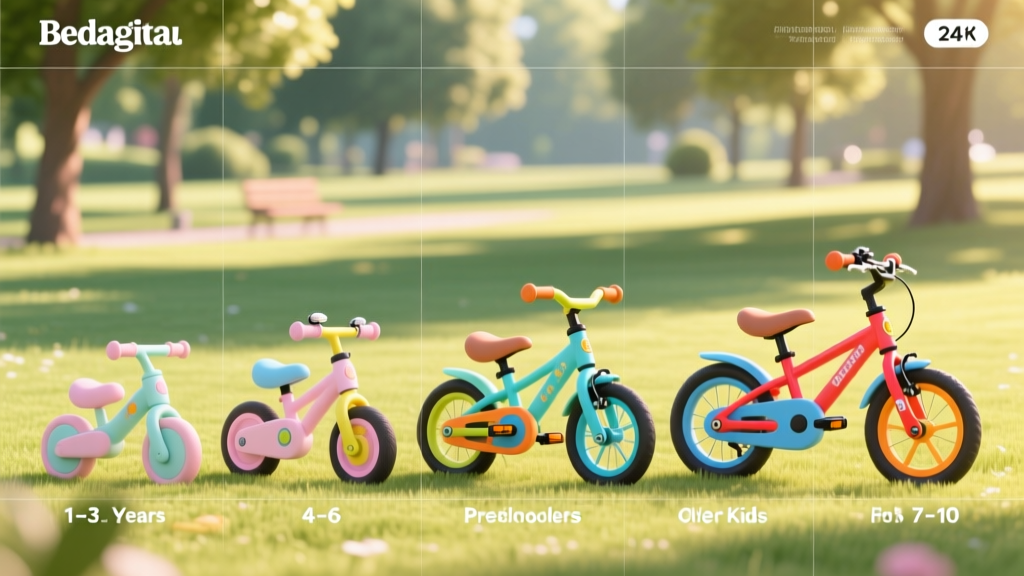 Best Bikes for Kids: Age-by-Age Buying Guide (2026)
 Can-Am Kids Four Wheeler Safety Guide (2026)
 What to Do in Broken Bow with Kids (2026)
 Best Trampoline Size for 2 Kids (2026)
 How to Make an Igloo for Kids: Safe & Easy Guide