Outdoor Water Games to Beat Summer Heat
Why Water Play Is Essential This Summer
When temperatures soar, outdoor water play isn’t just fun—it’s a developmental powerhouse. Splashing, pouring, chasing, and balancing in water build gross and fine motor skills, encourage cooperative problem-solving, and support sensory regulation—especially for kids who thrive on tactile input. Plus, it’s one of the easiest ways to keep children hydrated *and* engaged without screen time. The best part? You don’t need a pool, a hose, or even a backyard. Many of these games use everyday household items and take under 5 minutes to set up. Below are 10 tried-and-tested water games—with clear setup steps, safety notes, and inclusive adaptations—so every child (toddlers through tweens) can jump in.
Quick-Setup Water Games for All Ages
1. Sponge Relay Race
Grab 4–6 large kitchen sponges, two buckets (one filled with water, one empty), and assign teams of 2–4 kids. Line them up 10 feet from the water bucket. On ‘Go!’, the first player soaks a sponge, races to the empty bucket, and squeezes out all the water before racing back to tag the next teammate. First team to fill their bucket wins. Pro tip: Use color-coded sponges for visual learners—and add a ‘no-dripping’ rule (sponge must be held overhead) to boost balance and coordination.
2. DIY Water Balloon Piñata
Hang a few water balloons from a tree branch or clothesline using plastic grocery bags (tie handles around balloon knots). Let kids take turns swinging a soft pool noodle or foam bat to pop them. No hitting? Try tossing beanbags at suspended balloons instead. Safety note: Always supervise closely; use biodegradable balloons and avoid latex for kids with allergies. For sensory-sensitive children, swap balloons for small spray bottles taped to strings—they ‘pop’ with a satisfying mist when tapped.
3. Chalk & Splash Grid
Draw a 4×4 grid with sidewalk chalk. Number each square 1–16. Fill a spray bottle with cool water and food coloring (optional). Call out numbers or math facts (“What’s 7 + 5?”); kids sprint to the correct square and spray it! Great for reinforcing number recognition, addition, or spelling (e.g., “Spray the word that rhymes with ‘cat’”). Adaptation: Toddlers can hop on colors or animal shapes you draw—then splash with a cup instead of a bottle.
Low-Water, High-Fun Options
4. Ice Cube Treasure Hunt
Freeze small toys (LEGO pieces, plastic animals, beads) inside muffin tin ice cubes the night before. Place them in a shallow bin or kiddie pool. Hand kids tongs, spoons, or paintbrushes dipped in warm water to ‘melt and rescue’ treasures. Adds fine motor practice, patience, and cause-effect learning. Time-saver: Make batches ahead and store in freezer bags—rotate themes weekly (‘Ocean Week’: seashells + blue dye; ‘Space Week’: silver glitter + star-shaped molds).
5. Water Wall Engineering
Use an old shower curtain liner or large cardboard box as a vertical base. Tape plastic cups, funnels, and cut PVC pipes (or rolled-up foil tubes) to create a cascading water path. Kids pour water at the top and watch it flow, redirect, and drip into waiting containers below. Encourages STEM thinking, trial-and-error, and collaborative design. No tools? No problem: Tape paper plates with holes punched near the rim to a fence—let gravity do the work.
6. Bubble Station with a Twist
Mix 1 cup dish soap + 6 cups water + ¼ cup glycerin (or light corn syrup) in a large bowl. Add edible glitter or food-safe dye for visual appeal. Provide wands, straws, slotted spoons, and flyswatters. Challenge: ‘How many bubbles can you catch on your wand without popping?’ or ‘Blow a bubble that lands on a chalk-drawn target.’ Boosts breath control and oral-motor development—key for speech and self-regulation.
Water Play With Purpose: Safety, Inclusion & Learning
Hydration & Sun-Safe Practices
Even during water play, kids lose fluids fast. Keep a ‘hydration station’ nearby: labeled water bottles with fun stickers, frozen fruit popsicles in reusable molds, and shaded rest breaks every 20 minutes. Apply broad-spectrum SPF 30+ 15 minutes before going outside—and reapply after towel-drying. Wear UV-blocking sunglasses and wide-brimmed hats—even if they get splashed!
Inclusive Adaptations for Diverse Needs
- For mobility challenges: Set up seated splash zones using low trays, shallow bins on picnic tables, or a tarp-lined area with handheld pumps and squeeze bottles.
- For sensory sensitivities: Offer choice cards (‘I want to pour,’ ‘I want to watch,’ ‘I want to hold the cold cup’), use lukewarm (not icy) water, and provide noise-canceling headphones for loud splashing areas.
- For language delays: Embed modeling—say ‘pour,’ ‘splash,’ ‘more,’ ‘all done’ while playing. Use picture cards or simple AAC apps paired with actions.
Learning Moments Hidden in Every Splash
Turn play into mini-lessons without lecturing:
- Science: “Why did the ice cube melt faster in the sun? What happens when we mix red + blue water?”
- Math: “How many cups does it take to fill this bucket? Can you make two equal piles of floating leaves?”
- Social-emotional: “What do we do if someone knocks over your tower? Let’s take three deep breaths and rebuild together.”
Keep a waterproof notebook or voice memo app handy to jot down observations—these become rich notes for IEP goals, homeschool records, or pediatrician conversations.
Conclusion
Outdoor water play is more than summer relief—it’s joyful, accessible, and deeply meaningful learning disguised as fun. With these games, you’re not just cooling off; you’re building resilience, curiosity, and connection—one splash at a time. Grab a bucket, a towel, and 10 minutes—and dive in.
More Articles
 Nature Walk Activities for Families
 Best Scooters for Kids: Top 10 Safety-Reviewed Models (2026)
 Best Educational Toys for Practical Life Skills
 Backyard Camping Ideas for Families (2026)
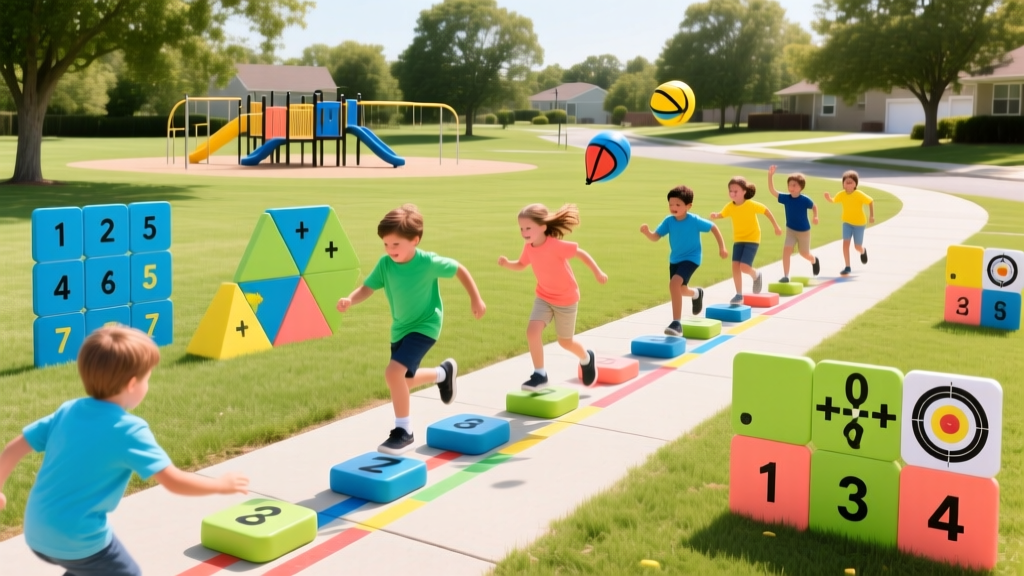 Outdoor Math Games That Get Kids Moving and Learning (2026)
Family Bike Trails: 5 Routes for All Ages
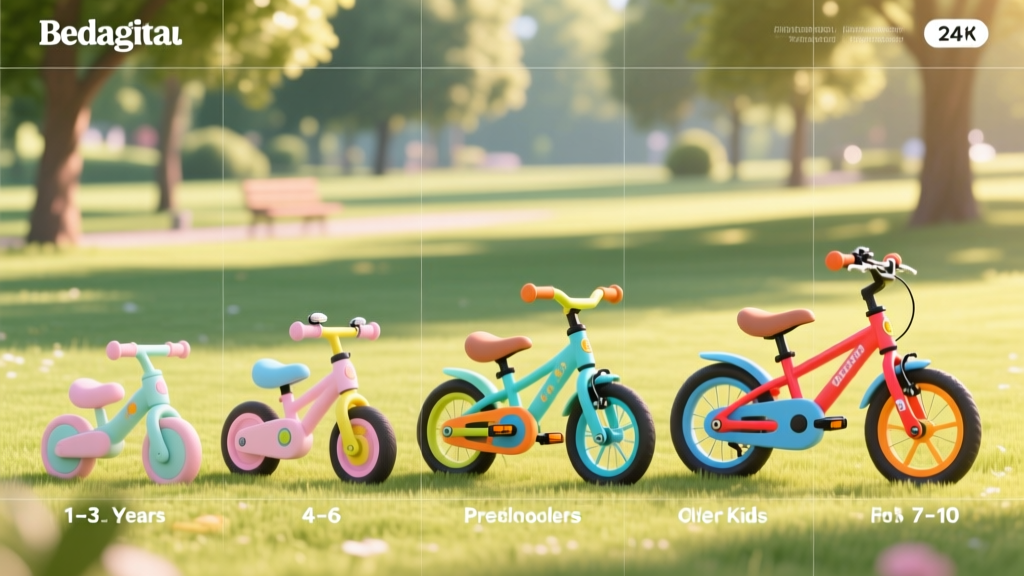 Best Bikes for Kids: Age-by-Age Buying Guide (2026)
 Kids Garden Projects: Beginner Guide
 Kids Outdoor Store Front: 7 Steps to CPSC Compliance (2026)
 How to Know What Size Bat for Kid (2026)