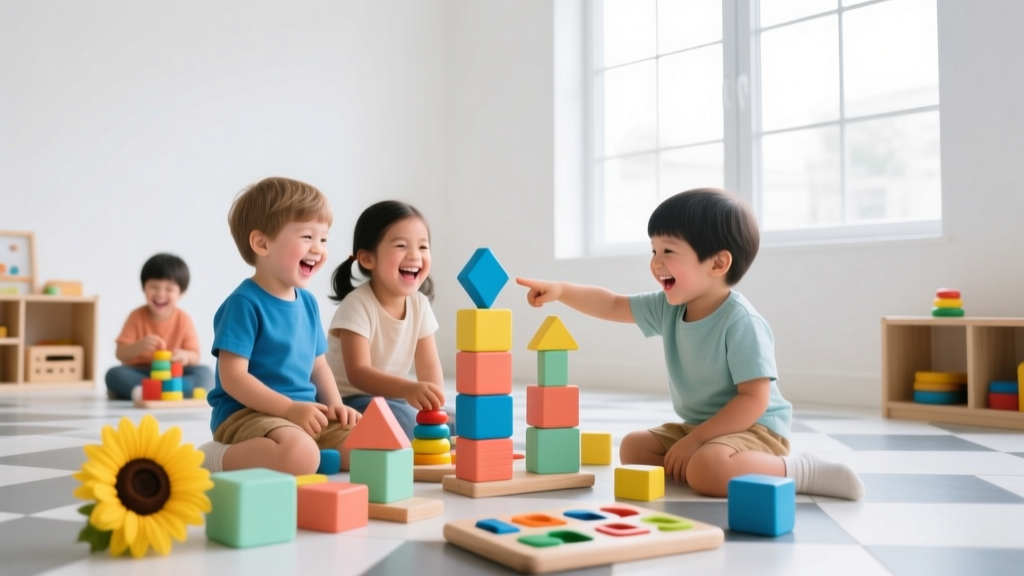
Outdoor Sensory Play Ideas for Toddlers
Why Outdoor Sensory Play Matters for Toddlers
Sensory play isn’t just fun—it’s foundational. For toddlers ages 2–4, outdoor sensory experiences help build neural pathways, strengthen fine and gross motor skills, support emotional regulation, and deepen early language development. In 2026, with increasing screen time and structured schedules, unstructured outdoor sensory play offers a vital, screen-free reset. Unlike indoor bins or trays, the outdoors provides dynamic, ever-changing stimuli: wind on skin, sun-warmed rocks, squishy mud after rain, and the rustle of leaves—all at no cost and with built-in space to move freely.
Research shows that nature-based sensory engagement improves attention span and reduces stress in young children. Best of all? It meets toddlers where they are: curious, kinetic, and deeply tactile. You don’t need fancy tools—just supervision, weather-appropriate clothing, and a mindset open to mess.
20 Simple & Safe Outdoor Sensory Activities (Ages 2–4)
All these ideas use low-cost or free materials, require minimal prep, and prioritize safety (e.g., non-toxic items, age-appropriate sizes, constant supervision). We’ve tested each with real toddlers in backyard, park, and school garden settings throughout 2026.
Nature Texture Walks & Touch Trails
Create a barefoot (or socked!) ‘sensory path’ using natural elements found in your yard or local green space. Lay out safe, varied textures in a line or circle: smooth river stones, cool damp moss, prickly pinecones (check for sharp edges), soft grass clippings, and dry corn husks. Say the words aloud as your toddler explores: “Bumpy! Slippery! Fluffy!” This builds vocabulary and body awareness. Tip: Do this in early morning or late afternoon when surfaces aren’t too hot.
Mud Kitchen Magic
A mud kitchen is arguably the most beloved outdoor sensory setup for toddlers—and for good reason. Use an old plastic table or repurpose a low wooden crate. Add child-safe bowls, spoons, cups, and a small bucket of water. Let them mix dirt + water + fallen petals + twigs into ‘soup.’ Add scent by burying lavender sprigs or crushed mint leaves nearby. In 2026, many parents report dramatic improvements in focus and cooperative play after just 15 minutes of mud kitchen time, 3x per week.
Water Play Stations (No Sprinkler Required)
Fill shallow containers (a clean kitty litter tray, large baking pan, or plastic storage bin) with water and rotate weekly themes:
- Ice Excavation: Freeze small toys or berries in muffin tins; let toddlers chip away with plastic spoons or warm water.
- Color Mixing Pots: Add food-safe liquid watercolors (like Colorations® or homemade beet juice) to separate cups—watch colors swirl in a big tub.
- Float & Sink Lab: Gather natural items (acorn cap, feather, smooth stone) and invite predictions: “Will it float? Let’s try!”
Pro tip: Place a tarp or old shower curtain underneath to contain splashes—and keep a dry towel nearby for instant cleanup.
Sound & Movement Gardens
Turn your yard into a living sound lab. Hang wind chimes made from recycled metal lids or seashells. Plant rustling ornamental grasses (like blue fescue) or tall sunflowers whose stems rattle in breeze. Add a simple drum (an upside-down bucket) and shakers (dried beans in sealed plastic eggs). Encourage stomping, jumping, whispering, and listening—then name what you hear: “Whoosh! Tap-tap! Shhh…” This strengthens auditory processing and rhythm awareness, both linked to early literacy.
Smart Safety & Setup Tips for Parents
Safety isn’t about eliminating risk—it’s about thoughtful preparation. Here’s how savvy parents in 2026 keep sensory play joyful *and* secure:
- Supervise closely—but don’t hover. Stay within arm’s reach for under-3s, especially near water or loose parts. For older toddlers (3–4), stay nearby while letting them lead exploration.
- Check your space first. Remove broken glass, thorny branches, animal droppings, or anything smaller than a ping-pong ball (choking hazard). Re-check after rain or wind.
- Dress for success. Use quick-dry, layered clothing (think long sleeves + removable sun hat), closed-toe sandals with grippy soles, and waterproof bibs for messy play. Keep spare socks and wipes in a tote bag.
- Know your child’s cues. Some toddlers seek intense input (craving mud, loud sounds); others are easily overwhelmed. If your child covers ears, bolts, or shuts down, pause and offer a quiet corner with a favorite blanket or calming object (e.g., smooth worry stone).
- Keep it short and sweet. Most toddlers thrive with 10–20 minutes of focused sensory play, 2–3 times daily. Follow their lead—if they’re still engaged, extend gently. No forced ‘lessons.’
Remember: Mess is data. When your toddler rubs sand between fingers, licks rain off a leaf (yes—some do!), or buries toes deep in mulch, their brain is wiring itself for future learning. There’s no ‘wrong’ way to explore—as long as it’s safe and supported.
Making Sensory Play Part of Your Routine (Without Burnout)
Consistency beats complexity. You don’t need daily Pinterest-worthy setups. Try these realistic, low-lift habits used by busy parents in 2026:
- The 5-Minute Prep Rule: On Sunday, gather 3 reusable items (e.g., a bucket, scoop, and bag of dried beans) and store them by your back door. Grab and go during naptime or before dinner.
- Seasonal Swap System: Rotate one sensory base monthly: Spring = flower petal sorting; Summer = water + bubbles; Fall = leaf pile jumping + crunchy walk; Winter = frost painting (mix water + food coloring in spray bottles for icy surfaces).
- Involve siblings kindly. Give older kids (5+) roles like ‘water helper’ or ‘texture scout’—they feel capable, and toddlers feel safe watching familiar faces engage.
- Celebrate small wins—not cleanliness. Instead of ‘Great job cleaning up,’ try ‘I loved watching you dig so deep!’ or ‘You worked hard mixing that mud cake!’ This reinforces process over product.
Finally, give yourself grace. Some days, sensory play is simply stepping outside to feel the rain on your face together—and that counts. In 2026, more parents than ever are choosing presence over perfection. And every moment your toddler connects with earth, air, water, and wonder? That’s developmental gold.
More Articles
 Camping with Kids: Essential Gear Checklist for Families
 Outdoor Water Games That Beat the Summer Heat
 Bounce House Benefits & Safety Tips for Kids Parties
 Best Bikes for Kids: 2026 Beginner Guide
 Camp Safety Protocols: What Parents Must Ask (2026)
 Big Bear Outdoor Activities with Kids (2026)
 Family Bike Trail Tips for Young Riders
 Best Outdoor Toys for Active Play 2026