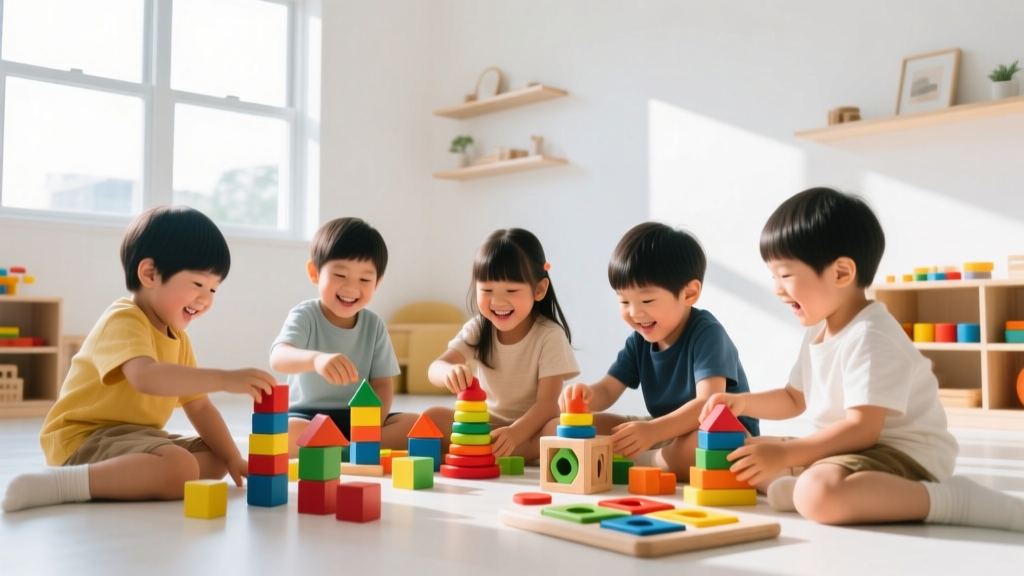
Rainy-Day Indoor Camping Fun!
Rainy-Day Indoor Camping Fun!
When gray skies roll in and puddles multiply, don’t sigh—set up camp! Indoor camping transforms a dreary rainy day into an unforgettable adventure—no tent stakes or bug spray required. Best of all, it’s 100% screen-free, imagination-powered, and totally doable in your living room, basement, or even a hallway. In 2026, families are embracing cozy, low-cost, high-engagement play—and indoor camping is leading the trend.
Why Indoor Camping Works for Kids (and Grown-Ups!)
Indoor camping taps into kids’ natural love of forts, storytelling, and pretend play—while building real-world skills like problem-solving, cooperation, and sensory regulation. For toddlers, it supports fine motor development (draping blankets, arranging pillows). For school-age kids, it encourages narrative thinking (creating campfire stories) and basic engineering (building stable blanket forts). Even teens can join in with themed challenges or photography scavenger hunts. And yes—parents get bonus points for calm, focused connection time without Wi-Fi distractions.
What You’ll Need (No Fancy Gear Required)
You likely already own everything! Gather these household staples:
- Shelter: Blankets, sheets, sleeping bags, couch cushions, folding chairs, or even a pop-up play tent
- Lighting: Battery-operated LED tea lights (safe for kids), flashlights, fairy lights, or glow sticks
- Sound & Smell: A Bluetooth speaker for nature sounds (rain, owls, crackling fire), plus cinnamon sticks or vanilla extract on a warm spoon for "campfire scent" (supervised only)
- Snacks: Trail mix (pre-portioned for ages 4+), fruit leather, s’mores kits (microwave-safe version), or no-bake energy balls
- Activity Kit: Story cards, printable scavenger hunt sheets, crayons, notebooks, and a small “camp journal” (a spiral notebook decorated with stickers)
12 Indoor Camping Activities for All Ages
1. Fort-Building Challenge (Ages 3–10)
Turn construction into a game: Set a 15-minute timer and challenge kids to build the tallest, coziest, or most “animal-friendly” fort. Use tape (masking or painter’s) to mark “foundation lines” on carpet or hardwood. Pro tip: Drape a sheet over a dining table for instant cave vibes—add pillows and a soft rug inside. For toddlers (3–4), focus on color-matching blankets; for ages 7–10, add design goals like “one window” or “a reading nook.”
2. Flashlight Story Circle (Ages 4–12)
Sit in your fort or around a pillow “campfire.” One person holds a flashlight and shines it on the storyteller’s face while they tell a 90-second tale—real or imaginary—about a brave squirrel, a talking backpack, or what lives under the couch. Rotate roles. In 2026, many teachers recommend this for building oral language and active listening. Keep a “story jar” nearby with prompt slips (“What if your socks went camping?”).
3. Indoor Campfire Cooking (Ages 5+, with adult help)
No open flame needed! Whip up microwave s’mores (graham cracker + chocolate + marshmallow on a plate, 15 sec), apple “campfire pies” (sliced apples + cinnamon + oats in a sandwich bag, microwaved 60 sec), or yogurt “trail mix cups” (layer Greek yogurt, granola, berries). Always supervise kids near microwaves—and use oven mitts! Pre-portion snacks for ages 5–7 to promote independence.
4. Nature Scavenger Hunt—Indoors! (Ages 3–8)
Print or draw a simple checklist: something green, something fuzzy, something that makes a rustling sound, something that smells good, something shaped like a circle. Let kids explore their home with magnifying glasses (plastic ones work great) and check off items. Bonus: Take photos of each find and paste them in the camp journal later.
5. Glow-in-the-Dark Constellation Art (Ages 4–10)
Tape black construction paper to the wall or ceiling. Use glow-in-the-dark star stickers—or dab white paint with a toothbrush for a splatter effect. Turn off lights, let eyes adjust, then “name” your constellations (e.g., “The Sock Dragon”). Great for bedtime wind-down. Store-bought glow stars last longer—but DIY versions using zinc oxide ointment (non-toxic, washable) are budget-friendly and safe for little hands.
6. Animal Tracking Mission (Ages 4–9)
Create “tracks” with toy animals dipped in washable paint or flour—then hide them around the house. Give kids laminated tracking cards (bear = wide oval + claw marks; rabbit = two big + two small prints). Add fun facts: “Did you know raccoons wash their food? That’s why we call them ‘washing bears’!”
7. Camp Journal Time (All ages—with adaptations)
Provide clipboards and crayons. Toddlers can stamp or scribble. Ages 5–7 can draw “my fort” or trace handprints as “bear paws.” Ages 8–10 write a short paragraph: “Today I discovered…” or “If my camp had superpowers, it would…” Keep journals as keepsakes—they’re cherished mementos by year’s end.
8. Rainy Day Ranger Badge Ceremony (Ages 3–10)
Design simple badges on cardstock (print free templates from kidsfindshub.com/printables). Earn them for completing activities: “Fort Architect,” “Story Spark,” “Trail Mix Master.” Pin them on shirts or hats during a mini ceremony with applause and a special “ranger handshake.”
9. Pillow-Lava River Crossing (Ages 3–7)
Arrange cushions and rugs across the floor—“lava” is the floor space between them. Challenge kids to cross without touching lava! Add difficulty: hop on one foot, carry a “treasure” (stuffed animal), or close eyes for 3 seconds mid-cross. Builds balance, focus, and giggles.
10. Campfire Song Jam (All ages)
Learn three easy songs: “The Ants Go Marching,” “Five Little Monkeys,” and “She’ll Be Coming ’Round the Mountain.” Use rhythm sticks (spoons + cardboard tubes), shakers (rice in sealed jars), or just claps. Sing softly for naptime; belt it out for energy release. In 2026, music therapists confirm group singing lowers cortisol in children—even on gloomy days.
11. Quiet Tent Time (Ages 2–6)
Set up a tiny “quiet tent” (a draped chair + sheet) with soft toys, board books, and noise-canceling headphones playing rain sounds. Perfect for sensitive kids or post-lunch reset. Include a “cozy countdown”: 5 deep breaths, 3 snuggles, 1 whisper.
12. Goodnight Glow Ritual (All ages)
End the adventure with a gentle routine: dim lights, pass around a glowing stone (or smooth river rock painted with glow paint), and each share one thing they loved about indoor camp. Then blow out LED “campfire” lights together. This builds emotional safety and closure—especially helpful for anxious or neurodivergent kids.
Safety & Setup Tips for Stress-Free Success
• Clear tripping hazards *before* building forts—move cords, secure loose rugs. • Use only UL-certified LED lights—never real candles or incense indoors. • Keep first-aid supplies nearby (bandages, cold pack) for minor bumps—forts are exciting! • For kids with sensory sensitivities: offer noise-reducing headphones, weighted lap pads, or “escape passes” (a card they can show if overwhelmed). • Rotate activities every 20–30 minutes to honor attention spans—especially for preschoolers. • Invite kids to help plan: “Should our campfire be red or blue light tonight?” Choice = calm.
Final Thought
Indoor camping isn’t about perfection—it’s about presence. In 2026, more parents are choosing joyful simplicity over overscheduled days. So next time the forecast says rain, smile, grab a blanket, and whisper: “Adventure starts now.” Your kids won’t remember the clouds—they’ll remember the glow, the stories, and the feeling of being safe, seen, and wildly imaginative—together.
More Articles
 Who Is the Kid in Bad Bunny’s Super Bowl? (2026)
 How to Spread the Gospel as a Kid (2026)
 Chili’s Kids Eat Free Days: Rules & Real Deals
 Take Your Kid to Work Day 2026: Age-Appropriate Guide
 Santa Fe with Kids: Stress-Free, Vetted Activities
 Presidents Day for Kids: Fun, Fact-Packed Activities
 What to Do with Kids in Houston (2026)
 Kids Rock Halftime Show 2026: Watch Free & Easy
 ME Kids Camps: Find the Right Fit for Your Child (2026)
 Where to Stay in DC with Kids: 7 Parent-Tested Neighborhoods