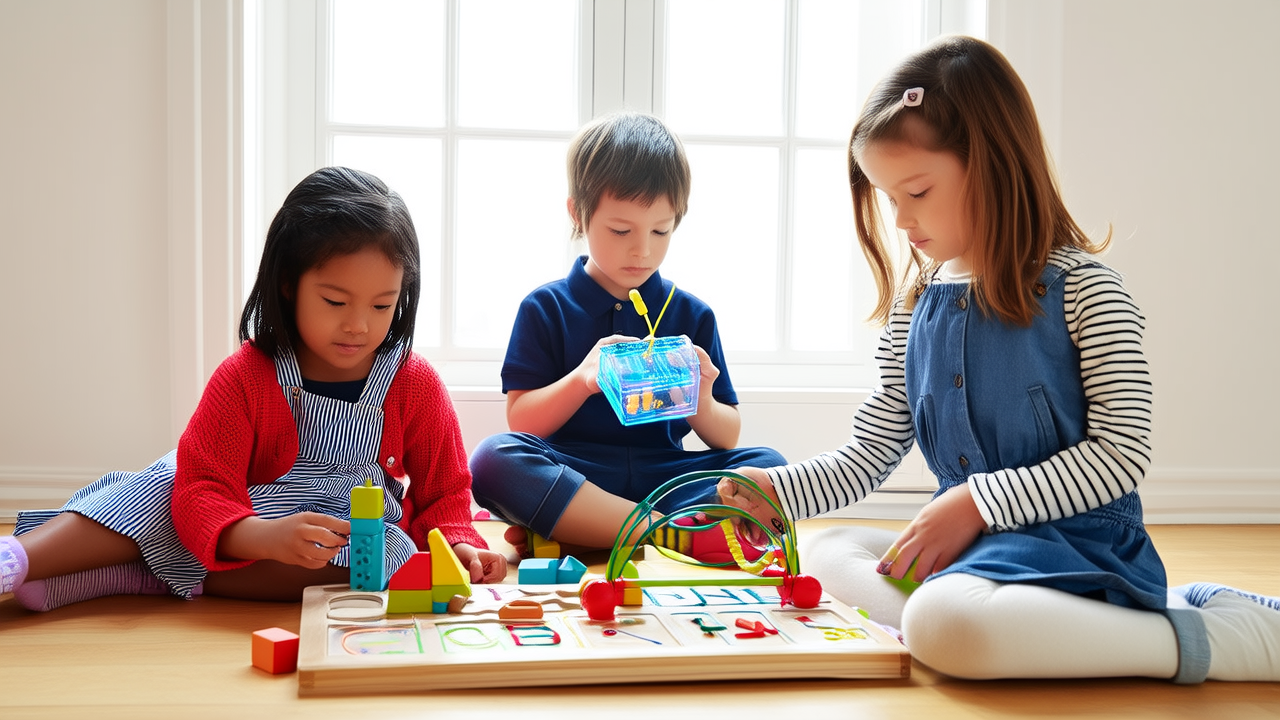
Indoor Sensory Bins for Toddlers Using Pantry Items
Why Pantry-Based Sensory Bins Work for Toddlers
Sensory bins support early development in toddlers aged 12–36 months by building fine motor skills, language, focus, and tactile awareness. Using pantry items—like dry white rice, uncooked elbow macaroni, rolled oats, or dried black beans—keeps costs low, setup quick, and materials accessible. These bins are especially valuable during rainy days, cold-weather months, or when outdoor play isn’t possible.
Age-Specific Guidelines
Always match bin complexity and contents to your toddler’s developmental stage:
- 12–18 months: Use large, smooth items only—e.g., whole grain rolled oats (Quaker Old Fashioned Oats), puffed rice cereal (Barbara’s Brown Rice Crisps), or large dried lima beans (avoid split peas or tiny lentils). Supervise closely; oral exploration is common.
- 19–24 months: Introduce slightly varied textures—uncooked rigatoni (De Cecco Rigatoni), dried corn kernels (Goya Yellow Corn), or shredded unsweetened coconut (Let’s Do Organic). Add 1–2 simple tools: a small plastic scoop (Oriental Trading Company’s 3-oz Scoop), a soft silicone brush (Munchkin Soft Tip Brush), or a shallow stainless steel spoon (B. Toys Stainless Spoon).
- 25–36 months: Layer textures and add learning elements—mix brown rice (Lundberg Family Farms) with blue food coloring (Wilton No-Taste Red/Blue Gel), hide plastic letters (Learning Resources Alphabet Soup Set), or embed toy animals (Schleich Farm World figures). Encourage naming, counting, and sorting.
Safe, Effective Pantry Ingredients (and What to Avoid)
Not all pantry items are safe—even if edible. Prioritize non-choking, non-toxic, low-dust, and easy-to-clean options.
Top 5 Safe Pantry Items
- Dry white rice (Mahatma Long Grain White Rice): Smooth, uniform, and inexpensive. Rinse and fully air-dry before use to prevent clumping. Ideal for 12+ months.
- Uncooked elbow macaroni (Ronzoni Elbow Macaroni): Large enough to avoid choking (diameter >1.25 inches), easy to grasp, and holds color well if dyed. Best for 18+ months.
- Rolled oats (Quaker Old Fashioned Oats): Soft, quiet, and gentle on sensitive skin. Avoid instant oats—they contain added sugars and preservatives. Safe from 12 months.
- Dried black beans (Bush’s Best Black Beans, uncooked): Uniform size, matte finish, and high contrast against light bins. Soak and air-dry 48 hours before first use to reduce dust. For 24+ months only.
- Puffed rice cereal (Barbara’s Brown Rice Crisps): Lightweight, dissolves easily if mouthed, and creates satisfying crunch. Use only plain, unsalted versions. Suitable for 12–24 months.
Items to Skip Entirely
- Popcorn kernels (choking hazard, hard to clean)
- Flour or cornstarch (inhalation risk, messy dust clouds)
- Raw lentils or split peas (too small, slippery, high choking risk)
- Sugar, salt, or powdered spices (skin irritation, ingestion risk)
- Any item with sharp edges, coatings, or unknown additives (e.g., flavored ramen noodles)
Simple Setup & Safety Checklist
You need three things: a bin, filler, and tools. Use a shallow, rigid container—like a Sterilite 6-Quart Ultra Latch Box (13.5" x 9.5" x 5.5")—to limit spill radius and allow seated access. Avoid deep storage totes or flexible bags.
Before First Use
- Wash and fully air-dry all dry goods for 48 hours (prevents mold, reduces dust).
- Test one handful in your palm: no grit, no powder residue, no strong odor.
- Check each item for broken pieces, insect traces, or moisture spots—discard if compromised.
- Ensure all tools have no loose parts, cracked plastic, or sharp seams (inspect weekly).
Daily Safety Habits
- Never leave a toddler unattended—even for 10 seconds—during sensory play.
- Keep a handheld vacuum (like the Black+Decker Dustbuster CHV1410L) nearby for quick spills.
- After each session, sift filler through a fine-mesh strainer (Nordic Ware 3-Qt Fine Mesh Strainer) to remove crumbs, hair, or debris.
- Store bins covered in a cool, dry place—not near stoves or windows—to prevent condensation.
Cleanup That Actually Works
Toddler sensory play gets messy—but pantry items simplify cleanup.
For Rice or Pasta Bins
Sweep large spills with a wide dustpan (Casabella Easy Sweep), then vacuum crevices. For carpet, use a damp microfiber cloth (Swiffer Sweeper Dry Cloth) to lift stray grains—don’t shake rugs (spreads particles). Store leftover filler in a labeled, airtight container (Rubbermaid Brilliance 2-Cup Container) with silica gel packets (Boveda 62% RH) to absorb ambient moisture.
For Oats or Puffed Cereal
These compress and stick to fabric. Use a lint roller (Scotch-Brite Extra Sticky Roller) on clothes and upholstery. Vacuum upholstery attachments work best—avoid steam cleaners (oats swell and gum up).
When to Retire a Batch
Replace pantry filler every 4–6 weeks—or sooner if you notice discoloration, musty smell, visible bugs, or clumping that doesn’t break apart when sifted. Discard (do not re-cook or eat) after sensory use.
3 Quick Bin Ideas (Ready in Under 5 Minutes)
Oat & Animal Rescue (12–24 months)
Fill bin with 4 cups Quaker Old Fashioned Oats. Bury 3 Schleich Farm World animals (cow, pig, chicken). Add one small plastic shovel (Green Toys Shovel). Goal: dig, name animals, practice “find” and “give.”
Rainbow Pasta Sort (24–36 months)
Dye 1 cup Ronzoni Elbow Macaroni using Wilton No-Taste Blue, Yellow, and Red Gel (1 drop per ¼ cup water + 1 cup pasta; air-dry 24 hrs). Mix colors in bin. Include 3 small bowls (Skater Mini Bowls) and a Learning Resources Primary Colors Sorting Set. Practice color matching and counting to 5.
Rice Treasure Hunt (18–30 months)
Fill bin with 5 cups Mahatma White Rice. Hide 6 Learning Resources GeoSafari Jr. My First Magnifying Glass tokens (shapes cut from thick cardstock). Add a magnifier (Educational Insights GeoSafari Jr. My First Magnifying Glass) and a felt pouch for collected shapes. Encourages visual scanning and grip control.
Final Notes for Caregivers
Trust your observation over generic age ranges. If your 20-month-old mouths everything, stick with puffed rice—not pasta. If your 32-month-old loses interest in sorting, switch to pouring between two cups or making “nests” with yarn scraps. Rotate bins every 7–10 days to maintain engagement. And always wash hands before and after—even with edible fillers. Pantry sensory bins aren’t about perfection. They’re about presence: your calm voice naming textures (“squishy,” “smooth,” “bumpy”), your hand guiding theirs to scoop, and the quiet pride when they pour without spilling. Start small. Stay safe. Repeat.
More Articles
 Gillie the Kid’s Height & Developmental Guidance (2026)
 When Is Basketball Season for Kids? (2026)
 Where to Watch Karate Kid (2026) | KidsFindShub
 What Is an Idiom? 7 Kid-Friendly, Research-Backed Strategies
 How to Draw an Airplane for Kids (Ages 3–10)
 Would.You Rather Questions For Kids (2026)
 Fort Worth with Kids: 17 Stress-Free Activities (2026)
 Punta Cana with Kids: 12 Stress-Free Activities (2026)
 Where Was The Karate Kid Filmed? (2026)
 Best Witch Movies for Kids in Costumes (2026)