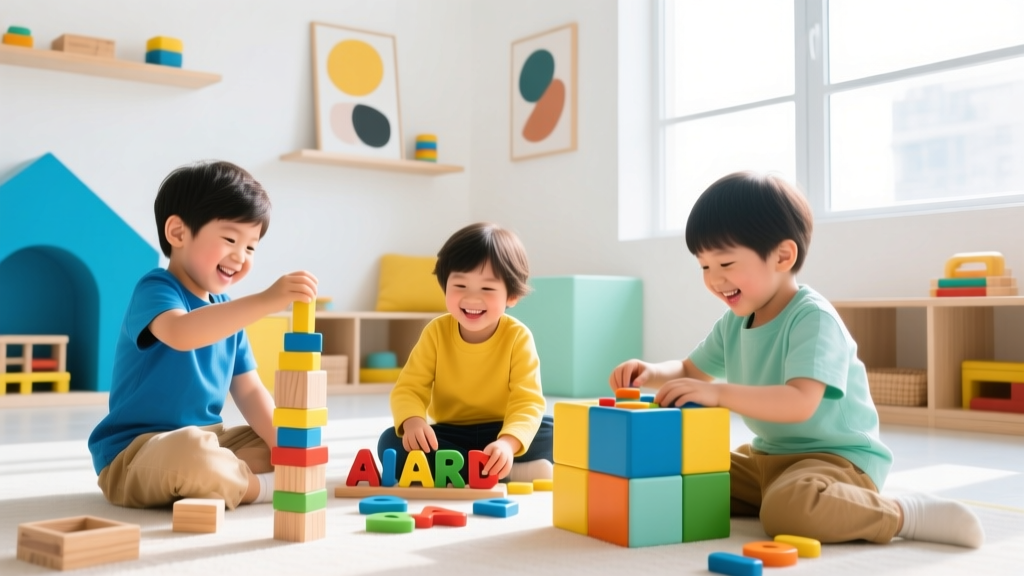
Indoor Obstacle Course Ideas Kids Love (2026 Guide)
Why Indoor Obstacle Courses Work
Rainy days and extreme weather don't have to mean bored kids stuck on screens. An indoor obstacle course transforms your living room, basement, or garage into an active play zone that burns energy and builds motor skills.
Materials You Already Have
- Couch cushions for stepping stones
- Painter's tape for balance beams
- Pool noodles for limbo bars
- Cardboard boxes for tunnels
- Hula hoops for jump targets
Age-Appropriate Station Ideas
Toddlers (2-4 years)
Keep stations low to the ground. Crawl through a blanket fort, step on colored paper squares, and toss bean bags into laundry baskets. Focus on gross motor skills without fall risks.
Elementary (5-9 years)
Add complexity with timed challenges. Include jumping jacks stations, wall push-ups, and balancing on one foot. Kids this age love competition, so add a stopwatch element.
Tweens (10-12 years)
Introduce strength challenges like plank holds, burpee stations, and wall sits. Add puzzle elements where they must solve a riddle before moving to the next station.
Safety Checklist
Clear all sharp corners and fragile items from the course path. Use non-slip mats under any balance activities. Ensure adequate lighting and ceiling height for jumping stations. Always supervise younger children.
Sample 8-Station Course
- Jump over three pillows in a row
- Crawl under a table
- Balance on a tape line for 10 feet
- Toss three socks into a basket
- Do 10 jumping jacks
- Weave through chair slalom
- Hold a plank for 15 seconds
- Sprint to the finish line
Rotate the course weekly to keep kids engaged. Let them help design new stations for ownership and creativity.
More Articles
 First Wimpy Kid Movie: What You Need to Know (2010)
 Science-Backed Educational Toys That Build Real Skills
 Child Development Checklist: Milestones & Red Flags (0–5)
 What Am I Game for Kids: Boost Vocabulary & Reasoning
 Is Cabo Kid Friendly? Real Family Experiences
 Would You Rather Questions for Kids Summer (2026)
 Smiling Friends for Kids: Social Skills or Gimmick? (2026)
 Can Kids Go to Dave & Buster’s? (2026)
 When Can Kids Start T-Ball? Age Readiness Guide (2026)
 DIY Sensory Bins That Toddlers Adore