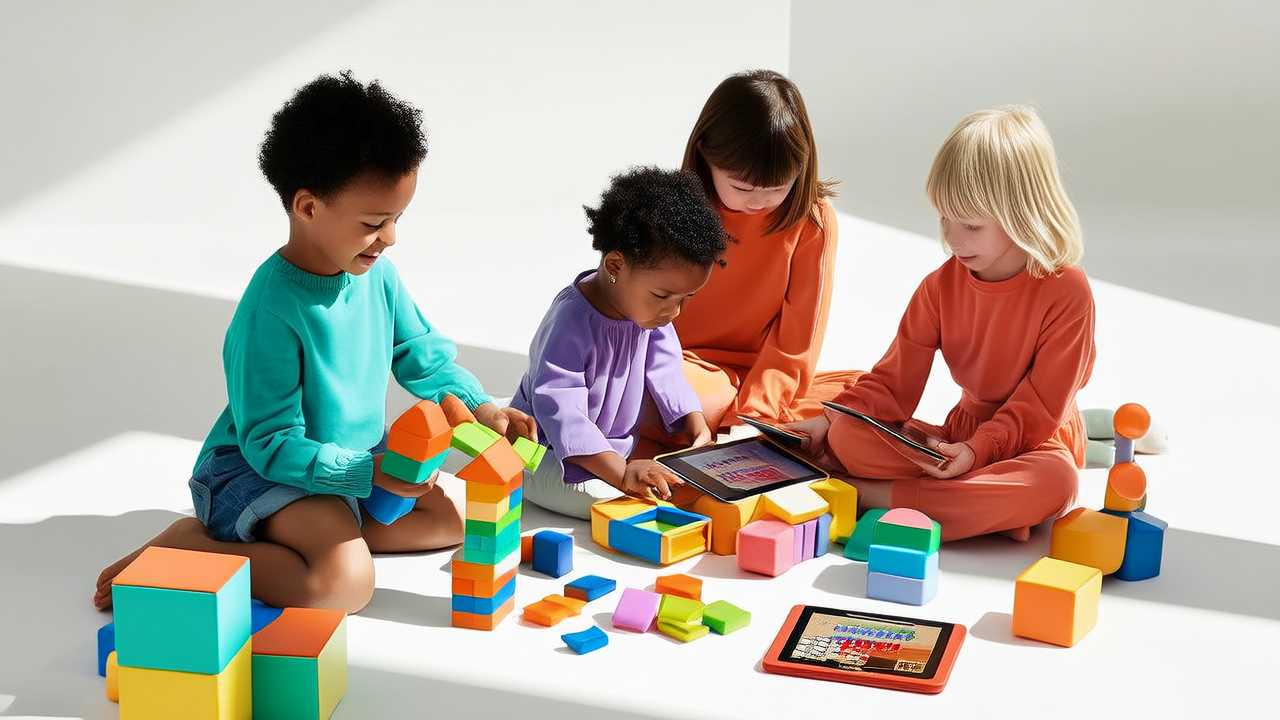
Sensory Toys: A Development Guide
What Are Sensory Toys?
Sensory toys engage one or more of the five senses in specific ways. They help children process sensory information, develop neural pathways, and self-regulate emotions. They're especially valuable for children with sensory processing differences.
Sensory Categories
Tactile (Touch)
- Textured balls: Various surfaces stimulate touch receptors
- Fidget toys: Keep hands busy while focusing on other tasks
- Sand and water tables: Endless tactile exploration
- Play dough: Builds hand strength while providing sensory input
Visual (Sight)
- Liquid motion timers: Mesmerizing bubble drops calm and focus
- Light tables with translucent shapes: Explores color mixing and light
- Kaleidoscopes: Patterns and symmetry discovery
Auditory (Sound)
- Rain sticks: Gentle, calming sound for self-regulation
- Musical instruments: Cause-and-effect plus rhythm development
- Sound matching games: Develops auditory discrimination
Proprioceptive (Body Awareness)
- Weighted lap pads: Deep pressure helps with focus and calm
- Resistance bands: Heavy work input for active kids
- Balance boards: Develops core strength and spatial awareness
Choosing by Age
Infants need high-contrast visuals and varied textures. Toddlers benefit from cause-and-effect toys. School-age children enjoy more complex sensory experiences like science kits and building sets.
DIY Sensory Toys
Fill bottles with water, glitter, and beads for calming sensory bottles. Create sensory bins with rice, beans, or kinetic sand and small toys hidden inside.
More Articles
 Kids Books That Teach: How to Choose Wisely (2026)
 Kakashi’s Kid? The Truth About the Copy Ninja’s Family
 Magnetic Tiles Guide for Preschoolers
 Is Kid Cudi in Trap? No — Here’s the Truth (2026)
 Billy the Kid’s Height at 18: The Truth (2026)
 Is Kid Cudi in Happy Gilmore 2? (2026)
 Sensory Bins: Montessori-Inspired Guide
 Stranger Things Season 5 New Kid: Confirmed Cast (2026)
 How Many Kids Did Joseph Haydn Have? (2026)
 Best Parenting Tips for Experts