Sensory Toys: Autism-Friendly Picks for 2026
Understanding Sensory Needs
Children on the autism spectrum often process sensory input differently. The right toys can help them self-regulate, reduce anxiety, and build neural pathways for processing everyday stimuli.
Categories of Sensory Toys
Tactile Explorers
Textured balls, fidget putties, and fabric books with varied surfaces address tactile seeking or avoidance behaviors. Look for sets with graduated textures from smooth to rough.
Visual Stimulators
Liquid motion timers, light-up spinning toys, and color-changing lamps provide calming visual input. Avoid toys with rapid flashing for children sensitive to strobe effects.
Proprioceptive Tools
Weighted lap pads, resistance bands, and squeeze toys provide deep pressure input that helps with body awareness. These are particularly effective during transitions between activities.
Auditory Options
Rain makers, white noise machines, and musical instruments with volume control address auditory processing needs.
Selection Tips
- Follow the child's lead — forced sensory exposure backfires
- Introduce one new texture or stimulus at a time
- Choose washable materials for hygiene
- Consult with your child's occupational therapist
Building a Sensory Toolkit
Rotate toys to prevent overstimulation. Keep a calm-down basket accessible at all times. The goal is self-regulation, not entertainment.
More Articles
 Puzzle Toys That Boost Problem-Solving (Ages 3–8)
 Sour Patch Kids Origin Story: Science, IP & Classrooms
 JoyBright for Kids: Safe & Effective? (2026)
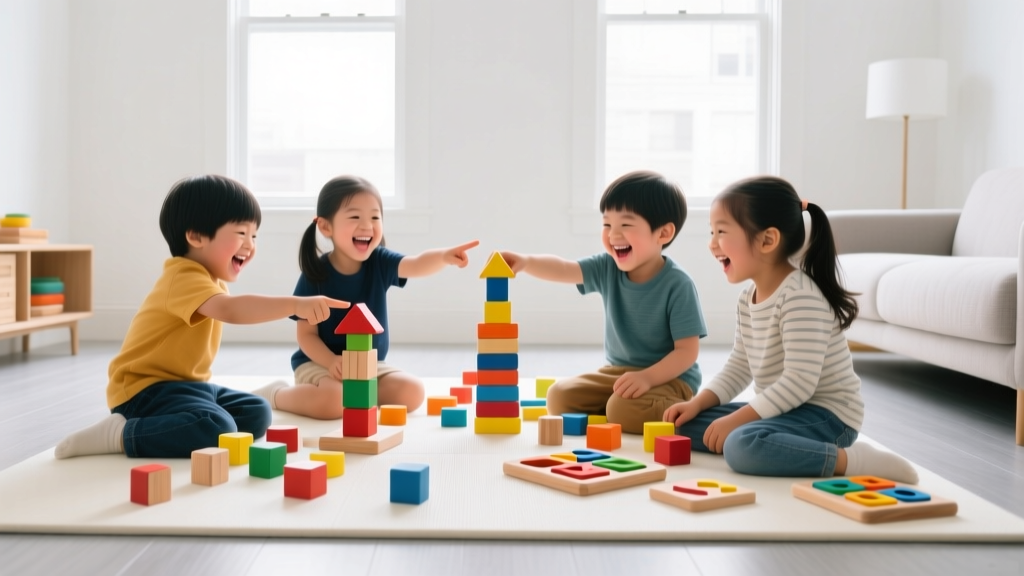 Best Learning Puzzles for Toddlers (2026)
 Rosa Parks Family Life Teaching Civil Rights
 Billy the Kid Season 3: Does It Exist? (2026)
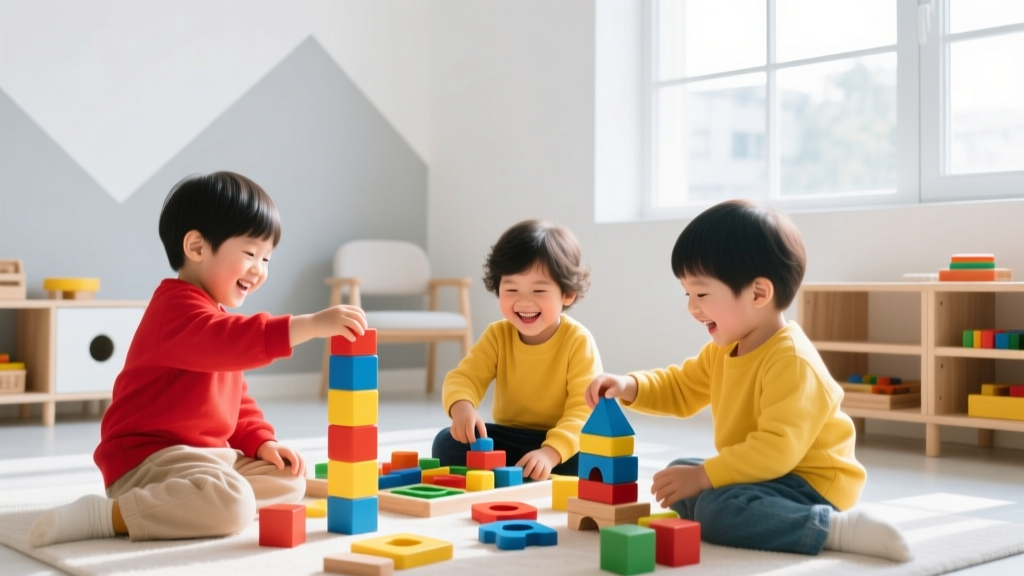 Building Toys That Boost Creativity (2026 Picks)
 How Many Seasons of Billy the Kid? (2026)
 Ed Gein Babysit Kids? Forensic Truth Revealed
 Best Building Blocks for Kids in 2026