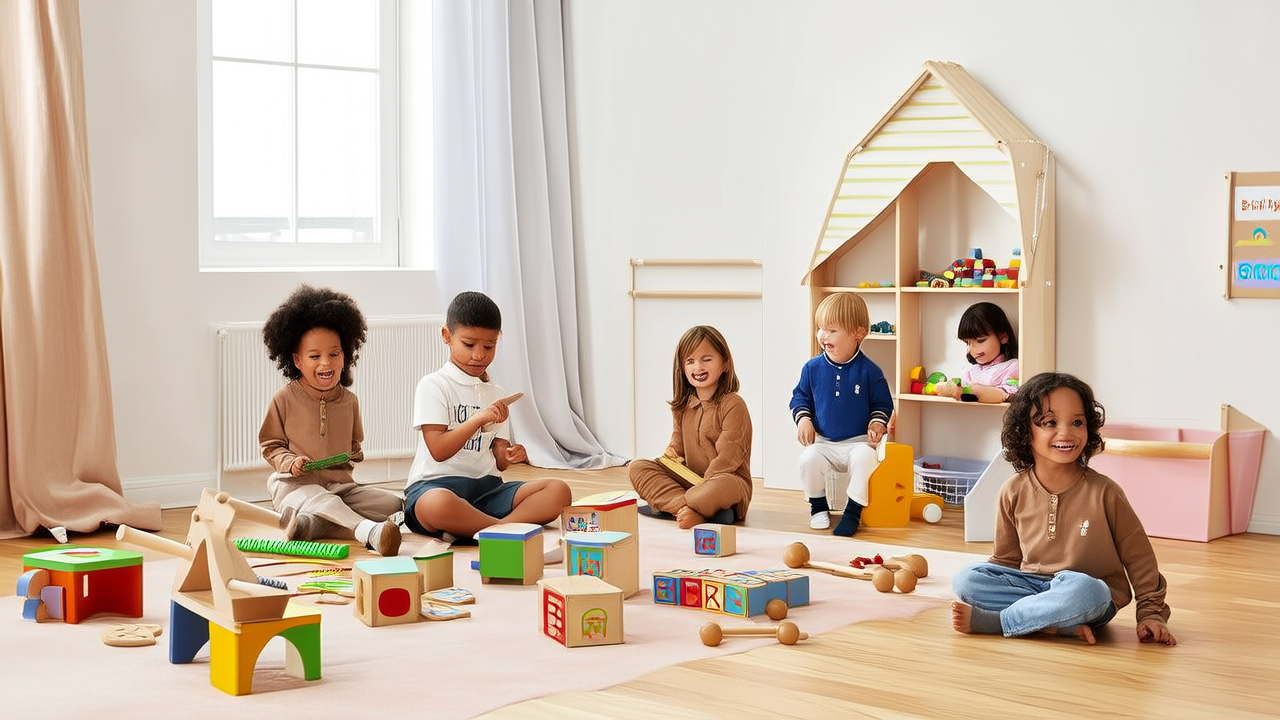
Sensory Toys for Autism and ADHD: A Parent Guide
Understanding Sensory Needs
Children with autism and ADHD often process sensory input differently. Some seek extra stimulation (sensory seekers), while others become overwhelmed by typical input (sensory avoiders). The right sensory tools can help children self-regulate, focus, and feel comfortable.
Sensory Toys by Input Type
Proprioceptive (Deep Pressure)
- Weighted stuffed animals: Provide calming deep pressure. Use during quiet time or transitions.
- Compression vests or lap pads: Gentle, consistent pressure reduces anxiety and improves focus.
- Resistance bands: Stretch and pull for joint compression. Great for fidgety hands during circle time.
- Therapy putty: Squeeze, stretch, and hide objects inside. Builds hand strength while providing input.
Vestibular (Movement)
- Sit-and-spin toys: Controlled spinning provides vestibular input that helps some children organize their sensory system.
- Balance boards: Standing and balancing engages core muscles and the vestibular system.
- Swings: Indoor door-frame swings or sensory swings provide rhythmic movement.
Tactile (Touch)
- Fidget tools: Textured balls, pop-its, fidget rings — items that keep hands busy so the brain can focus.
- Sensory bins: Filled with rice, beans, water beads, or kinetic sand for exploratory touch.
- Textured books: Touch-and-feel books for younger children.
Visual
- Liquid timers: Mesmerizing drip timers provide calming visual input.
- Light projectors: Stars, waves, or aurora projections for quiet wind-down time.
Important Notes
Consult with an occupational therapist for personalized recommendations. What works for one child may overwhelm another. Always introduce new sensory tools gradually and respect the child's response.
More Articles
 How Many Kids Did Zeus Have? The Real Count
 Montessori Toys for 2-Year-Olds
 Is Raz-Kids Free? The Truth (2026)
 Cabbage Patch Kids Launch Date & Empathy Impact
 Puzzle Toys That Teach Math Skills
 How Many Kids Does Aphrodite Have? Myth & Teaching Tips
 Eustass Kid’s Age: Canon Facts & Toy Safety (2026)
 How Many Kids Did Joseph and Mary Have? (2026)
 Who Saved Josuke? JoJo’s Media Literacy Lesson (2026)
 Negan’s Wife and Kid The Tragic Truth Behind Lucille