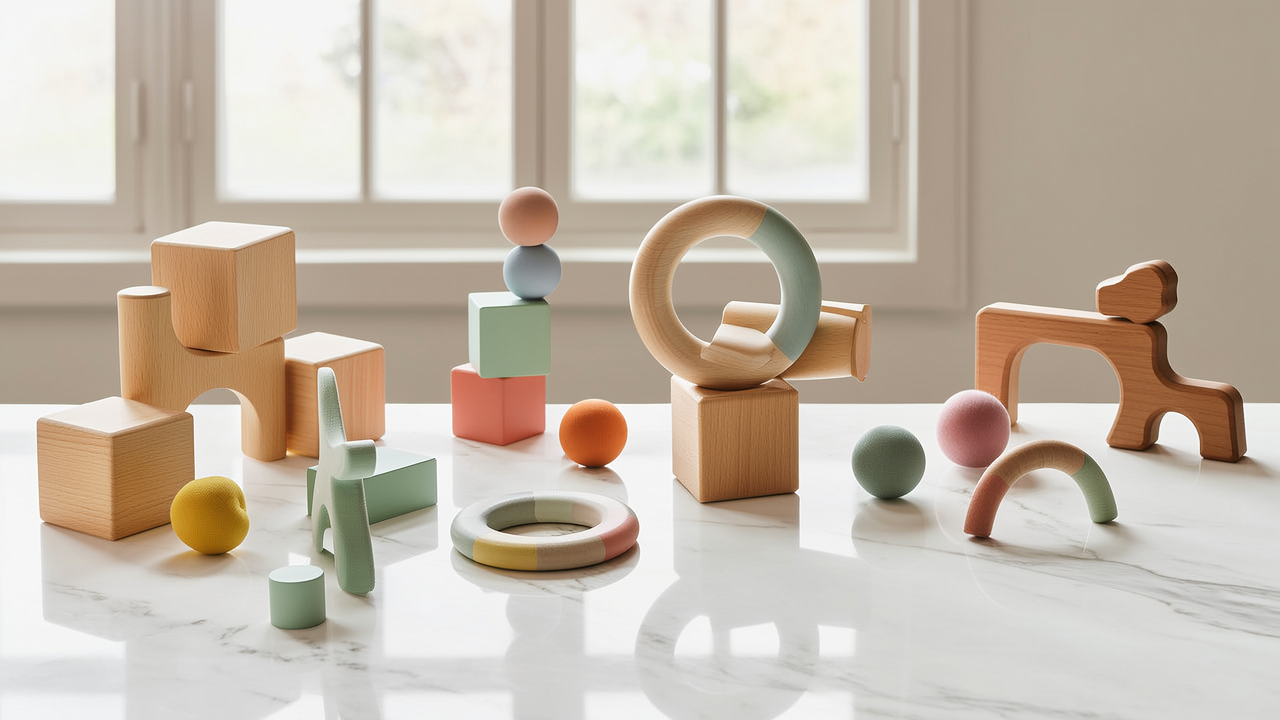
Open-Ended vs Closed Toys: Which Is Better?
Understanding the Difference
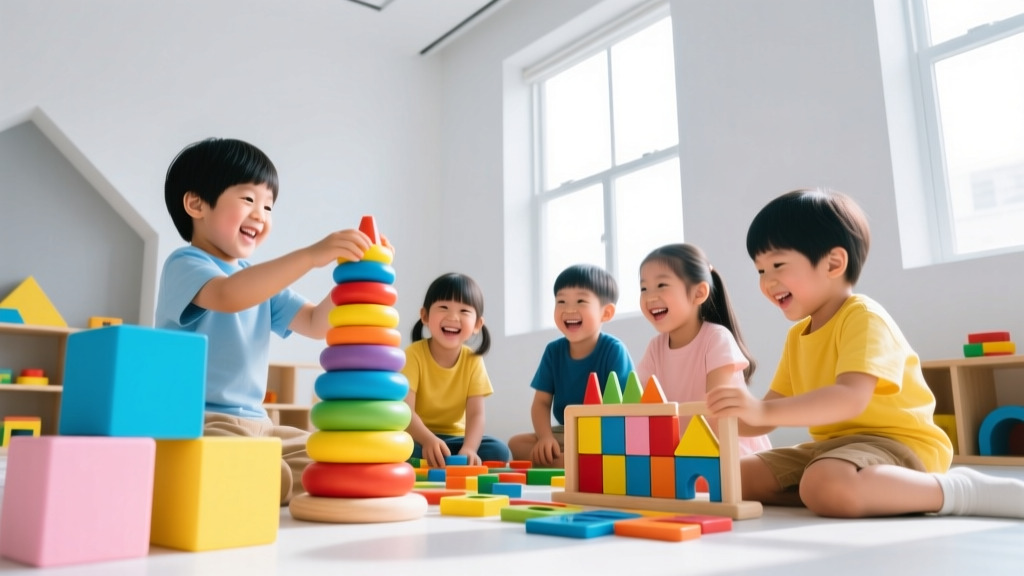
Open-ended toys have no fixed outcome: blocks, clay, dress-up clothes. Closed toys have one correct use: puzzles, electronic quizzes, model kits.
Benefits of Open-Ended Toys
- Creativity: Infinite possibilities encourage imagination
- Longevity: No 'finished' state means years of play
- Problem-solving: Children define their own challenges
- Social play: Multiple children can collaborate on open projects
Benefits of Closed Toys
- Skill-building: Targeted practice of specific abilities
- Confidence: Clear success criteria build achievement feelings
- Focus: Structured activity helps children who struggle with open-ended tasks
- Knowledge: Educational electronics and kits teach specific concepts
Best Open-Ended Toys
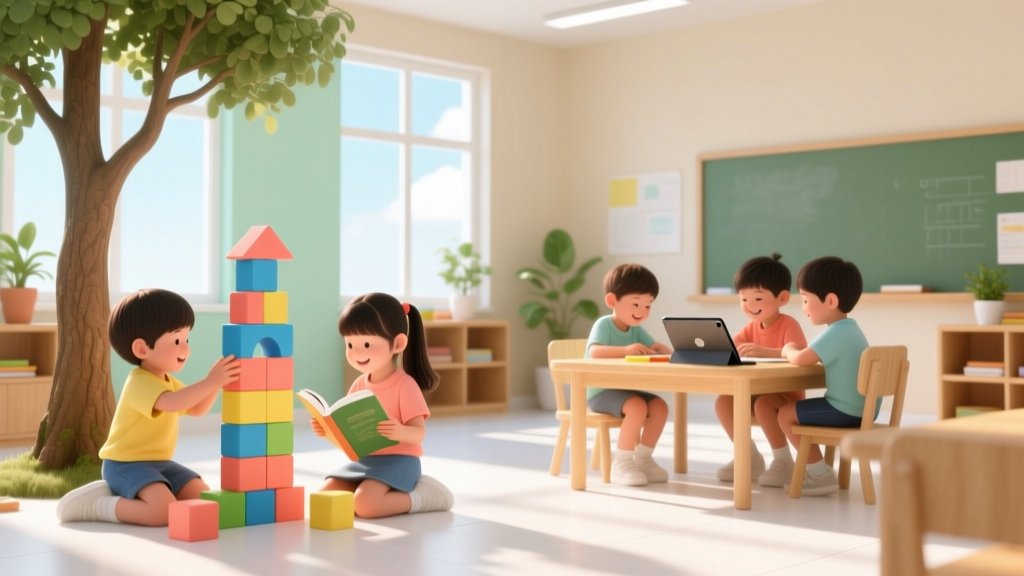
1. Wooden Blocks
The original STEM toy. Unlimited building, physics exploration, creative storytelling.
2. Play Dough and Clay
Sensory input, fine motor development, 3D thinking. Add tools for expanded play.
3. Loose Parts Collection
Stones, shells, fabric scraps, tubes. Children invent games and structures without instructions.
The Balanced Approach
Aim for 70% open-ended and 30% closed toys. Open-ended builds creativity while closed toys provide focused skill practice and satisfaction of completion.
Red Flags in Toy Marketing
- 'Teaches your child...' — often means limited interaction
- Battery-operated with one button — passive entertainment
- Tied to a single media franchise — limits imaginative expansion
- 'Educational' label without evidence — marketing, not pedagogy
More Articles
 Did King Kamehameha Have Kids? Lineage & Teaching Tools
 Did Jesus Have Kids? What Scholars Really Say
 NKOTB Members: 2026 Roster, Ages & Classroom Impact
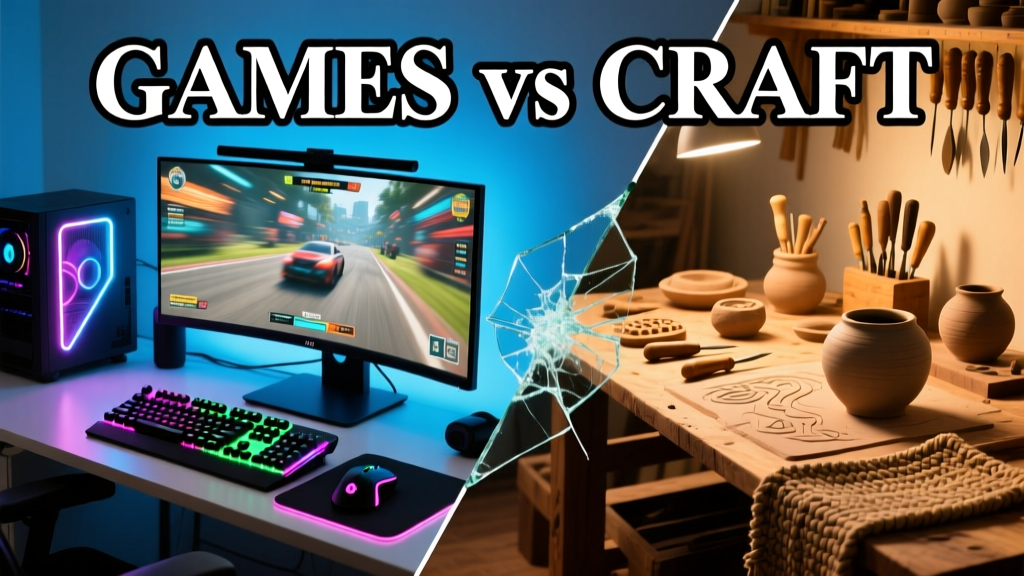 Play-Based Learning vs Crafts for Early Development
 Best Robotics Kits for Beginners in 2026
 How Many Kids Did David Have in the Bible? (2026)
 MLK for Kids: Truth-Filled, Joy-Centered Teaching (2026)
 How Many Kids Did Genghis Khan Have? (2026)
 Ed Gein Babysit Kids? Forensic Truth Revealed
 Did Mary Have Kids After Jesus? | Evidence-Based Answer