Montessori Toys: Parent's Guide to Choosing Right Materials
Understanding the Montessori Approach to Toys
Montessori education emphasizes self-directed learning through hands-on materials that are beautiful, purposeful, and developmentally appropriate. Montessori-inspired toys share key characteristics: they're made from natural materials, focus on one skill at a time, allow self-correction, and respect the child's intelligence.
Core Principles of Montessori Toys
- Natural Materials: Wood, metal, glass, fabric — materials that provide authentic sensory feedback
- Purposeful Design: Each toy targets specific developmental skills without unnecessary distractions
- Self-Correcting: Children can identify and fix their own errors without adult intervention
- Realistic Representations: Images of real animals, objects, and people rather than fantasy characters
- Beautiful Aesthetics: Attractive, well-crafted objects that children treat with care and respect
Best Montessori Toys by Age
Infants (0-12 months)
Object permanence boxes, grasping toys (rings, balls), visual mobiles with high-contrast patterns, treasure baskets with safe household objects, and interlocking disc toys. These develop hand-eye coordination, cause-and-effect understanding, and visual tracking.
Toddlers (1-3 years)
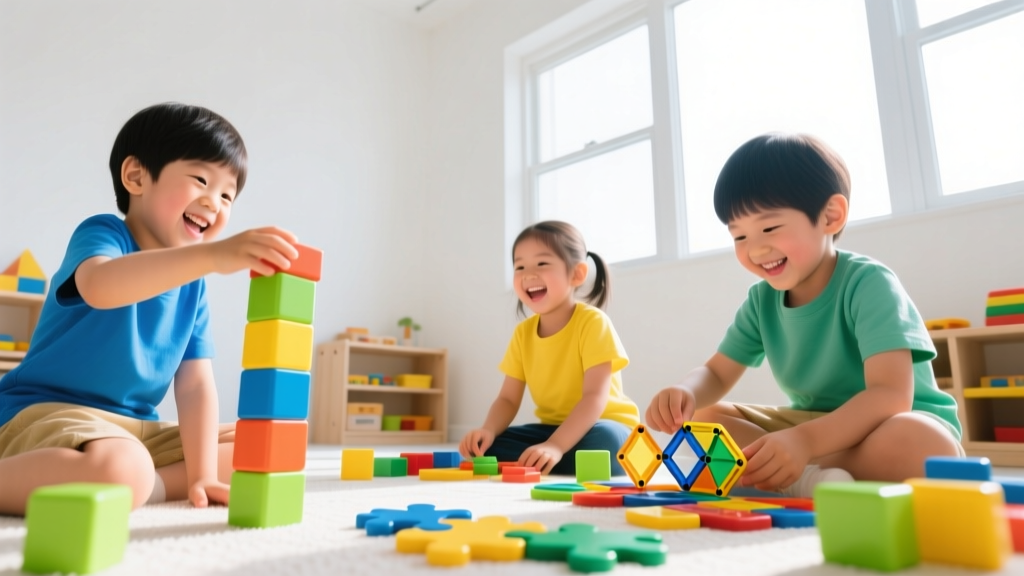
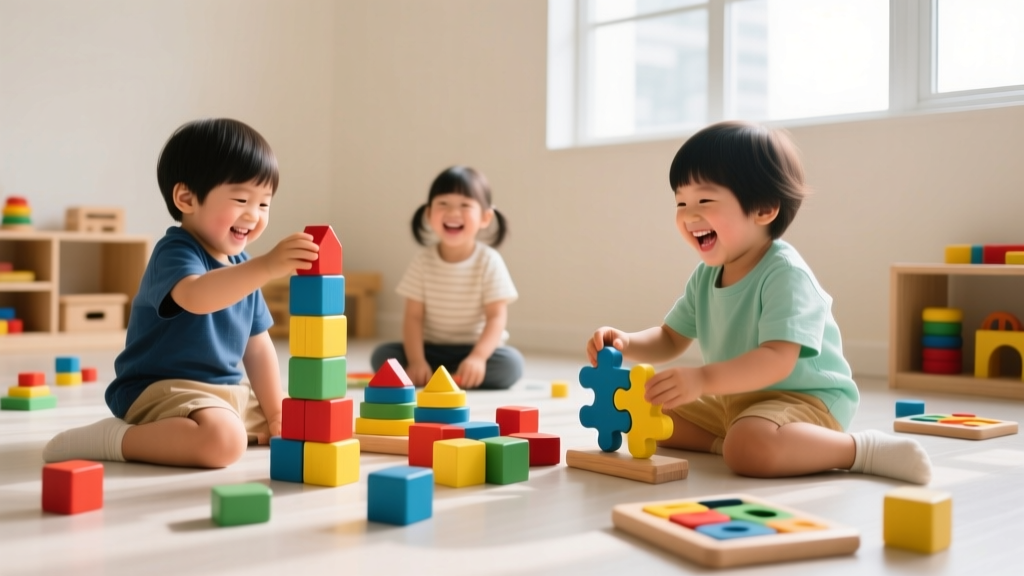
Shape sorters, stacking towers, posting activities, simple puzzles with knobs, pouring and transferring materials, threading beads, and practical life tools (small brooms, pitchers, tongs). These build fine motor control, concentration, and independence.
Preschoolers (3-6 years)
Sensorial materials like color tablets and sound cylinders, number rods and sandpaper letters, geography puzzles, botanical models, practical life frames (buttons, zippers, lacing), and art materials displayed accessibly. These develop academic foundations through concrete manipulation.
Setting Up a Montessori Play Space
Display toys on low, open shelves with each item having a designated spot. Limit the number of available toys (8-10 at a time) and rotate regularly. Use trays or baskets to define each activity. Ensure everything is child-sized and independently accessible.
How to Present a New Toy
Introduce new materials with a slow, deliberate demonstration. Show the complete sequence once without speaking, then invite the child to try. Resist the urge to correct or help prematurely. Observe from a distance and only intervene if asked or if the child becomes frustrated beyond productive struggle.
Budget-Friendly Montessori Options
Authentic Montessori materials can be expensive, but many principles can be applied affordably. Use household items for practical life activities. Make your own sensorial materials from items at craft stores. Buy secondhand from other Montessori families. Invest in a few key pieces rather than many cheap alternatives.
What to Avoid
Steer away from battery-operated toys that do the work for the child, toys with excessive lights and sounds that overstimulate, fantasy-themed toys for children under 6 who are still understanding reality, and toys that require constant adult involvement to function.
More Articles
 a-z kids login fixes: 5 common failures (2026)
 Robert Wadlow Kids? Truth About His Personal Life
 How Many Kids Genghis Khan (2026)
 Did Mary Have More Kids After Jesus? (2026)
 Did Ed Gein Have Kids? The Truth Behind His Isolation
 Rosa Parks Family Life Teaching Civil Rights
 Interactive Globes That Make Geography Fun
 Best Montessori Toys for 2 Year Olds
 Lafayette’s Family & the American Revolution
 Kid Cudi's Wife: Truth Behind Viral Rumors (2026)