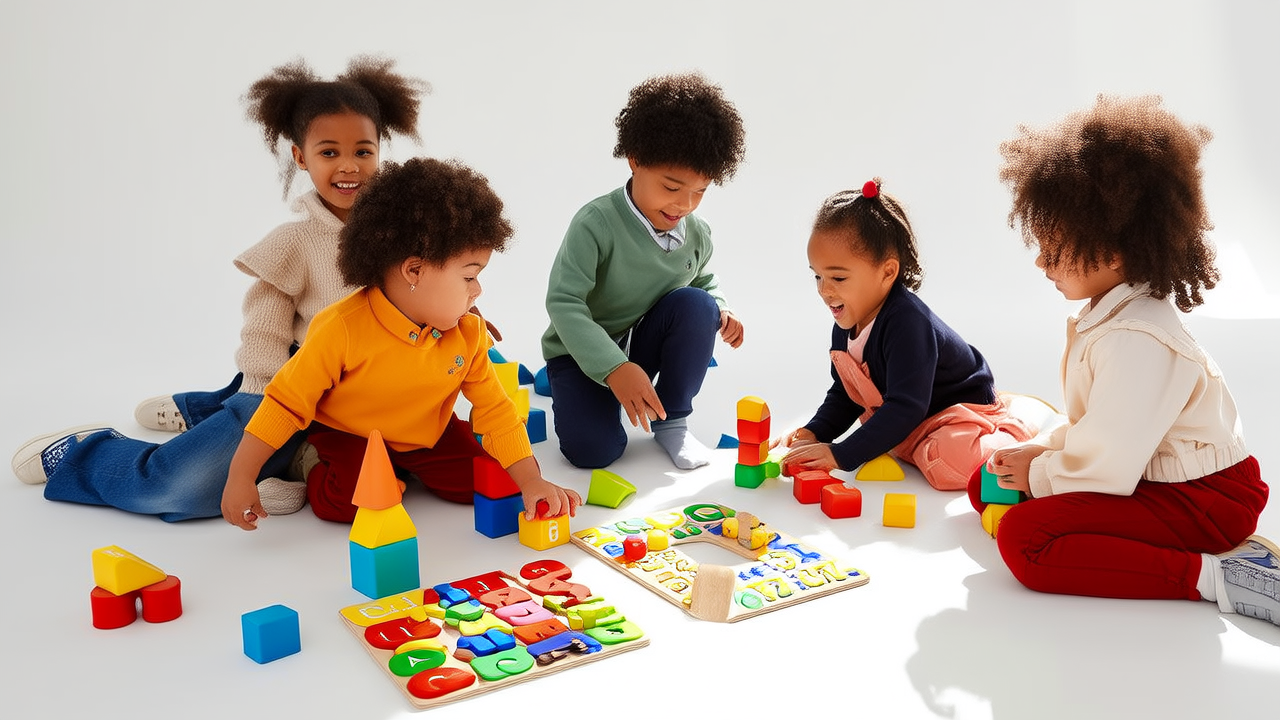
Montessori Inspired Toys for Independent Play
What Are Montessori Inspired Toys?
Montessori inspired toys are thoughtfully designed tools rooted in Dr. Maria Montessori’s educational philosophy: simplicity, realism, open-ended use, and respect for a child’s natural developmental pace. They avoid batteries, flashing lights, or pre-programmed sounds. Instead, they invite manipulation, repetition, cause-and-effect discovery, and intrinsic motivation. These toys support independent play by matching a child’s current abilities while offering just enough challenge to sustain engagement without frustration.
Why Independent Play Matters
Independent play builds executive function—working memory, impulse control, and cognitive flexibility. It strengthens hand-eye coordination, problem-solving stamina, and self-confidence. With Montessori toys, children choose activities, repeat them until mastery, and clean up afterward—practicing autonomy and responsibility. Research shows consistent unstructured, self-chosen play correlates with stronger attention spans and emotional regulation by age 5.
Key Principles for Choosing Montessori Toys
- Natural materials: Wood, cotton, wool, metal, and stone predominate—safe, durable, and sensorially rich.
- Realistic representation: A wooden apple looks like an apple; a doll has simple, calm facial features—not cartoonish exaggeration.
- Limited scope: One skill per toy (e.g., buttoning, pouring, stacking) avoids cognitive overload.
- Self-correcting design: The toy gives immediate feedback (e.g., a knobbed puzzle only fits one way; a balance scale tips if weights differ).
- Accessible storage: Low shelves, open bins, and labeled baskets let children independently select and return items.
Age-Appropriate Recommendations
6–12 Months: Sensorimotor Foundations
At this stage, babies explore through mouthing, grasping, shaking, and dropping. Prioritize safe, graspable objects with varied textures and weights.
- Hape Pound & Tap Bench (Ages 12+ months, but safe for supervised 9-month-olds): Solid beechwood base with removable balls. Teaches cause-effect and hand strength. Ensure balls are larger than 1.75” diameter to prevent choking.
- PlanToys Mirror Cube (Ages 6+ months): Three mirrored panels in a soft-edged wooden frame. Encourages visual tracking and self-recognition. Wipe with vinegar-water solution—no harsh cleaners.
- Moulin Roty Fabric Ball Set (Ages 6+ months): Six 3.5” organic cotton balls in muted tones. Soft, washable, and easy to grip. Avoid plastic-coated versions.
Safety tip: Always supervise floor play. Check for loose seams, splinters, or small detachable parts. Use ASTM F963-17 certified products.
12–24 Months: Refining Movement & Order
Toddlers seek control over their bodies and environment. They thrive on tasks requiring two hands, sequencing, and returning items to designated places.
- Guidecraft Wooden Peg Puzzle – Farm Animals (Ages 2+ years, appropriate for advanced 18-month-olds): Chunky, smooth maple pegs with animal-shaped bases. No paint—natural wood grain visible. Pegs are 1.25” long, too large to swallow.
- Uncle Goose ABC Blocks (Ages 12+ months): 28 solid maple blocks with embossed letters and corresponding illustrations (e.g., “A” + apple). Rounded corners, non-toxic water-based ink. Store in the included cotton drawstring bag—not plastic bins—to reduce static and encourage tactile sorting.
- Green Toys Stacker (Ages 6+ months, ideal 12–24 months): Made from 100% recycled milk jugs. Five brightly colored rings with subtle texture variations. BPA-, phthalate-, and PVC-free. Dishwasher safe (top rack only).
Practical tip: Rotate toys every 7–10 days. Keep only 4–6 items accessible at once on a low shelf. Too many choices overwhelm toddlers and dilute focus.
2–4 Years: Purposeful Work & Early Academics
Children now imitate adult tasks and pursue precision. They benefit from realistic tools that mirror daily life and scaffold early math, language, and care-of-self skills.
- Little Partners Learning Tower (Ages 2–6 years): Adjustable height, solid birch plywood. Lets children safely reach sinks, counters, or bookshelves. Anchors to wall with included hardware. Never leave unattended—even with safety straps.
- Beginner Bead Stringing Set by Melissa & Doug (Ages 3+ years): Large wooden beads (1.1” diameter), flexible laces with blunt tips. Develops pincer grip and pattern recognition. Replace laces every 6 months if fraying occurs.
- Numicon Baseboard and Shapes (Ages 3–6 years): Bright orange plastic shapes with holes representing numbers 1–10. Used for counting, addition, and early algebra. CE-marked and tested for sharp edges. Store in the original tray—shapes snap securely into place.
Practical tip: Introduce new toys with a 2-minute demonstration—no verbal instructions beyond naming parts (“This is the lid. This is the bowl.”). Then step back. Let the child discover function through trial.
Setting Up the Environment
Montessori toys work best in a prepared space. Use a 24”-high open shelf (like IKEA KALLAX with inserts) placed against a wall. Group like items: all pouring tools together, all dressing frames on one level. Label shelves with real photos or simple line drawings—not text—for pre-readers. Keep rugs low-pile and non-slip. Remove electronic devices, clutter, and overly decorative items from the play zone.
Common Mistakes to Avoid
- Over-helping: Resist finishing puzzles or re-tying laces. Wait 20 seconds after a child pauses—they may solve it alone.
- Mislabeling “independent”: True independence includes cleanup. Teach it from day one: “Let’s put the blocks back before we choose something new.”
- Ignoring wear-and-tear: Sand rough edges on wooden toys quarterly. Discard fabric toys with torn seams or faded dyes—these can leach heavy metals.
- Skipping rotation: A toy used daily for 3 weeks loses its novelty. Store 70% of toys out of sight and swap monthly.
Where to Buy & What to Skip
Trusted retailers include Monti Kids (curated subscription boxes with video guides), Nienhuis Montessori (authentic classroom-grade materials), and Lovevery (developmentally timed kits with clear age markers). Avoid Amazon Marketplace sellers without verified safety certifications. Steer clear of “Montessori-style” toys made in uncertified factories—especially painted wooden items from unknown brands. Check for EN71-3 (EU toy safety) or ASTM F963-17 (US) marks on packaging.
Final Thought
Montessori inspired toys aren’t about perfection—they’re about consistency, respect, and observation. Watch your child closely. If they examine a shape for 90 seconds without touching it, they’re absorbing. If they stack rings 17 times in a row, they’re building neural pathways. Independence grows not from leaving a child alone, but from preparing the space, selecting precise tools, and trusting their innate drive to master their world—one wooden cylinder, one poured cup, one tied bow at a time.
More Articles
 15 Best Books for Reluctant Readers Ages 8–12
 William Zabka’s Age in Karate Kid Revealed
 How Sour Patch Kids Are Made: Factory Process & Experiments
 Billy the Kid Season 3 Episodes: 10 Confirmed (2026)
 “Are You Kidding Me” in Spanish: 7 Kid-Tested Phrases
 LEGO vs Magna-Tiles vs KNEX
 Who Do You Think You Are Kidding Mister Hitler (2026)
 Billy the Kid: Did He Survive Pat Garrett? (2026)
 True Crime Toys: Debunking the Ed Gein Myth (2026)
 Queen Victoria’s Children: How Many & Why It Mattered