
Learning Tablets vs. Traditional Toys: What Research Shows
The Great Toy Debate: Screens vs. Hands-On
Parents face an increasingly complex choice between interactive digital learning devices and traditional physical toys. Both markets claim educational benefits, but what does peer-reviewed research actually show? This evidence-based analysis helps you make informed decisions about your child's play experiences.
What Research Says About Interactive Tablets
Studies show that well-designed educational apps can support specific learning outcomes — letter recognition, basic math, and vocabulary acquisition. However, research also reveals significant limitations:
- Children under 2 learn significantly less from screens than from live interaction
- Passive screen time correlates with reduced attention spans in longitudinal studies
- Apps with excessive rewards and animations can undermine intrinsic motivation
- Transfer of learning from screen to real-world application remains limited in young children
- Solo tablet use reduces social interaction and language development opportunities
Benefits of Traditional Physical Toys
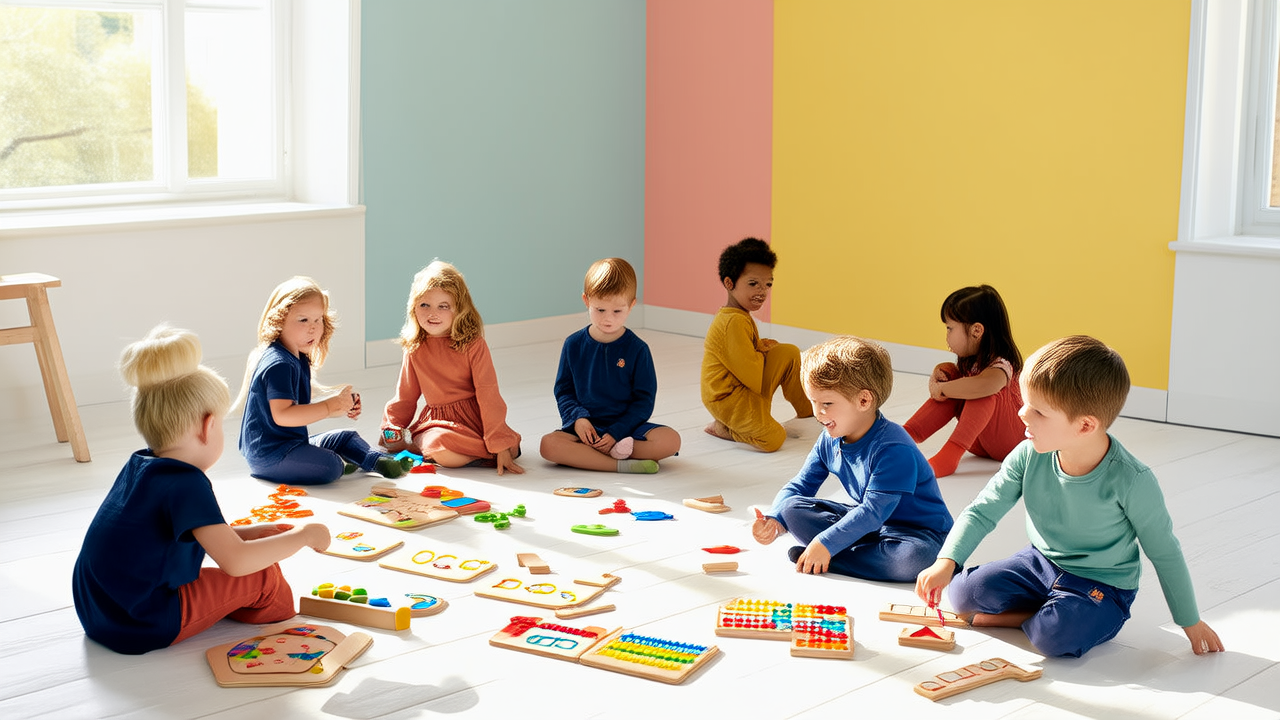
Decades of research consistently demonstrate the superiority of hands-on play for early development:
- Brain Development: Manipulating physical objects activates more neural pathways than tapping screens
- Social Skills: Traditional toys naturally invite collaborative play and negotiation
- Creativity: Open-ended toys (blocks, dolls, art supplies) generate more creative play than scripted digital experiences
- Motor Skills: Fine and gross motor development requires physical manipulation impossible with screens
- Attention Development: Self-directed physical play builds sustained attention better than fast-paced digital content
Finding the Right Balance
Rather than choosing sides, research supports a balanced approach. Use technology intentionally and sparingly, choosing high-quality content that complements rather than replaces physical play. The American Academy of Pediatrics recommends no screen time under 18 months (except video chat), one hour daily for ages 2-5, and consistent limits thereafter.
Quality Indicators for Digital Learning Tools
When choosing educational technology, look for: active engagement rather than passive watching, meaningful feedback, connections to real-world experiences, opportunities for creativity, minimal advertising, and content designed by educators and child development experts.
Quality Indicators for Traditional Toys
The best traditional toys are: open-ended (multiple ways to play), durable, age-appropriate, made from safe materials, and capable of growing with the child. Avoid toys that do the thinking for the child or require batteries to be interesting.
Practical Recommendations by Age
Ages 0-2: 95% physical toys, 5% shared screen time (co-viewing). Ages 3-5: 80% physical toys, 20% high-quality educational screen time with parental involvement. Ages 6-8: 70% physical/hands-on, 30% educational technology with clear time limits. Always prioritize active, creative play over passive consumption regardless of medium.
More Articles
 Queen Charlotte’s 15 Children: Royal History for Kids
 Best Books for Early Readers in 2026
 NKOTB Members: 2026 Roster, Ages & Classroom Impact
 Educational Toy Design: Show vs Beginner Differences
 Joseph Smith’s Children: How Many? (2026)
 Where Does Gillie Da Kid Live? Facts & Privacy (2026)
 STEM Alternatives Beyond Traditional Math
 John Wayne Gacy’s Children: The Documented Truth
 Best Board Games for Family Learning Nights
 Ed Gein Babysitting Myth: Truth for Parents (2026)