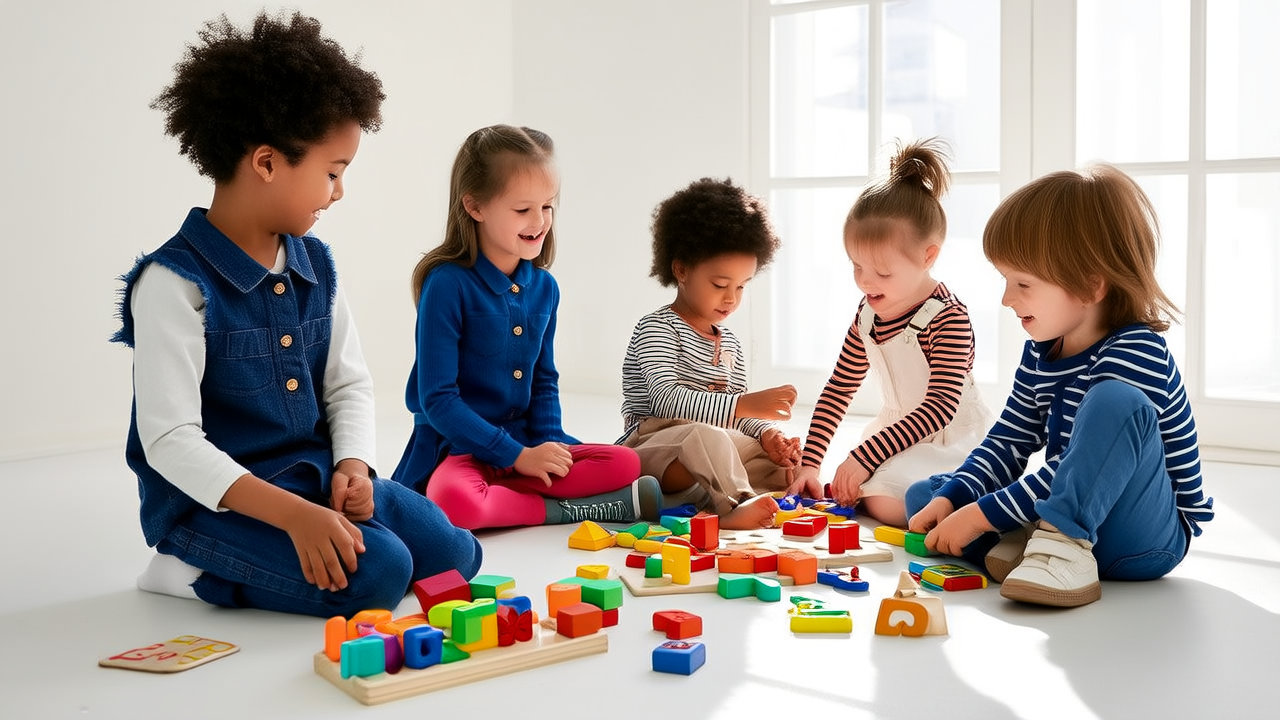
Building Toys That Build STEM Skills: A Comparison
Building Toys: The Foundation of Engineering Thinking
Construction toys teach structural thinking, spatial reasoning, geometry, and physics through hands-on experimentation. Children who build regularly develop stronger STEM skills that transfer to math, science, and engineering later in school.
Top Building Toys Compared
LEGO (Ages 4+)
Strengths: Universal system, infinite possibilities, strong following instructions and free-building modes. DUPLO for younger kids (1.5+), standard bricks from age 4, Technic for older kids.
STEM skills: Structural engineering, symmetry, gear mechanics (Technic), programming (SPIKE/Mindstorms).
Value: Classic sets last generations. Buy bulk lots for free building.
Magna-Tiles (Ages 3+)
Strengths: Magnetic tiles snap together easily. Young children can build impressive 3D structures without fine motor precision. Translucent colors teach light and color mixing.
STEM skills: Geometry (2D to 3D), magnetism, structural stability, architectural design.
Value: Expensive but extremely durable and used daily for years.
K'NEX (Ages 7+)
Strengths: Rod-and-connector system excels at moving parts — wheels, gears, roller coasters. More mechanical than LEGO.
STEM skills: Mechanical engineering, force and motion, simple machines.
Value: Good for kids who love how things work mechanically.
Wooden Blocks (Ages 1+)
Strengths: The simplest and most versatile. No special connections — just gravity and balance. Teaches real physics (center of gravity, load distribution).
STEM skills: Physics, spatial reasoning, architecture, creative problem-solving.
Value: One set lasts a lifetime. Best value per year of use.
Recommendation by Age
- 1-3: Large wooden blocks + DUPLO
- 3-5: Magna-Tiles + standard LEGO
- 5-8: LEGO + K'NEX + wooden blocks
- 8+: LEGO Technic + K'NEX roller coasters + Gravitrax marble runs
More Articles
 John Wayne Gacy’s Children: The Documented Truth
 Puzzle Toys That Teach Math Skills
 Was Mark Wahlberg in New Kids on the Block?
 Ed Gein Babysat Kids? The Truth Behind the Myth
 Did Ed Gein Babysit Kids? The Verified Truth
 Best Montessori Toys for 2 Year Olds
 How Many Kids Did John Adams Have? (2026)
 Tiny Love T.I. Kids Toys: Safety & Development Review (2026)
 How Many Kids Did Abraham Have? (2026)