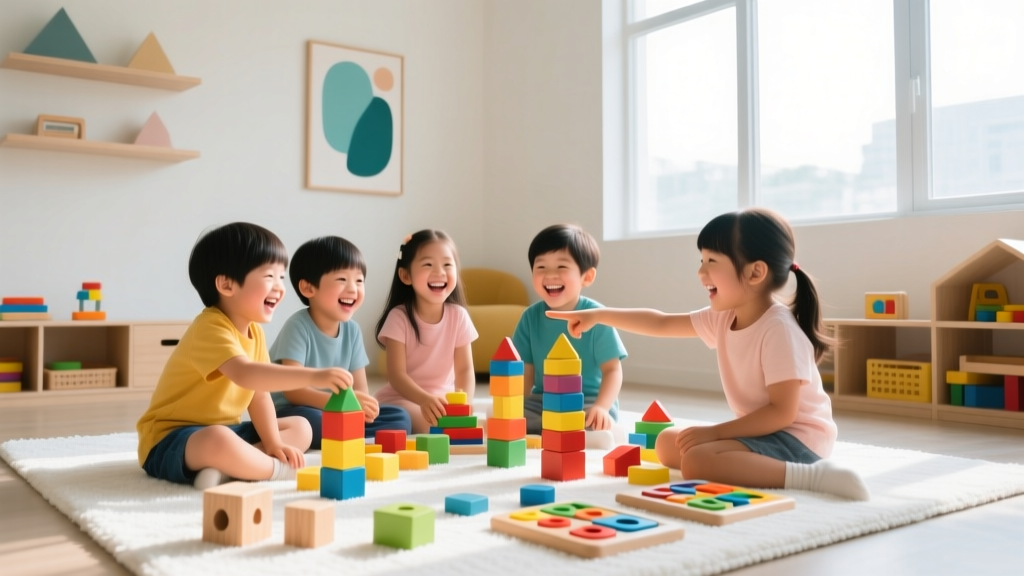
Board Games That Secretly Teach Math
Math Disguised as Fun
The best math board games don't feel educational. Kids are too busy strategizing, competing, and laughing to notice they're practicing addition, probability, and logical reasoning.
Ages 4-6: Counting and Number Sense
Hi Ho! Cherry-O
Spin and add or remove fruit from your tree. Teaches one-to-one correspondence, counting to 10, and the concept of zero (empty tree).
Snakes and Ladders
Counting spaces, recognizing numbers on the die, and the early probability lesson that landing on certain spaces is lucky or unlucky.
Ages 6-9: Addition and Strategy
Sleeping Queens
Invented by an 8-year-old. Use number cards to make equations that add up—play a 3 and a 4 to wake queen 7. Addition facts become a game mechanic.
King of Tokyo
Roll dice, keep some, re-roll others. Probability thinking in a monster-battling wrapper. "Should I keep this 6 or re-roll for a better combination?"
Ages 9-12: Advanced Strategy
Settlers of Catan
Resource management, probability (which numbers roll most often with two dice?), and negotiation. The dice probability distribution becomes strategy.
Ticket to Ride
Route planning, resource allocation, and opportunity cost. "If I spend my turn claiming this route, will someone steal my other option?"
Tips for Parents
Don't point out the math during play—let it be a game. If your child asks "what are the odds?", that's your cue to explore the math together.
More Articles
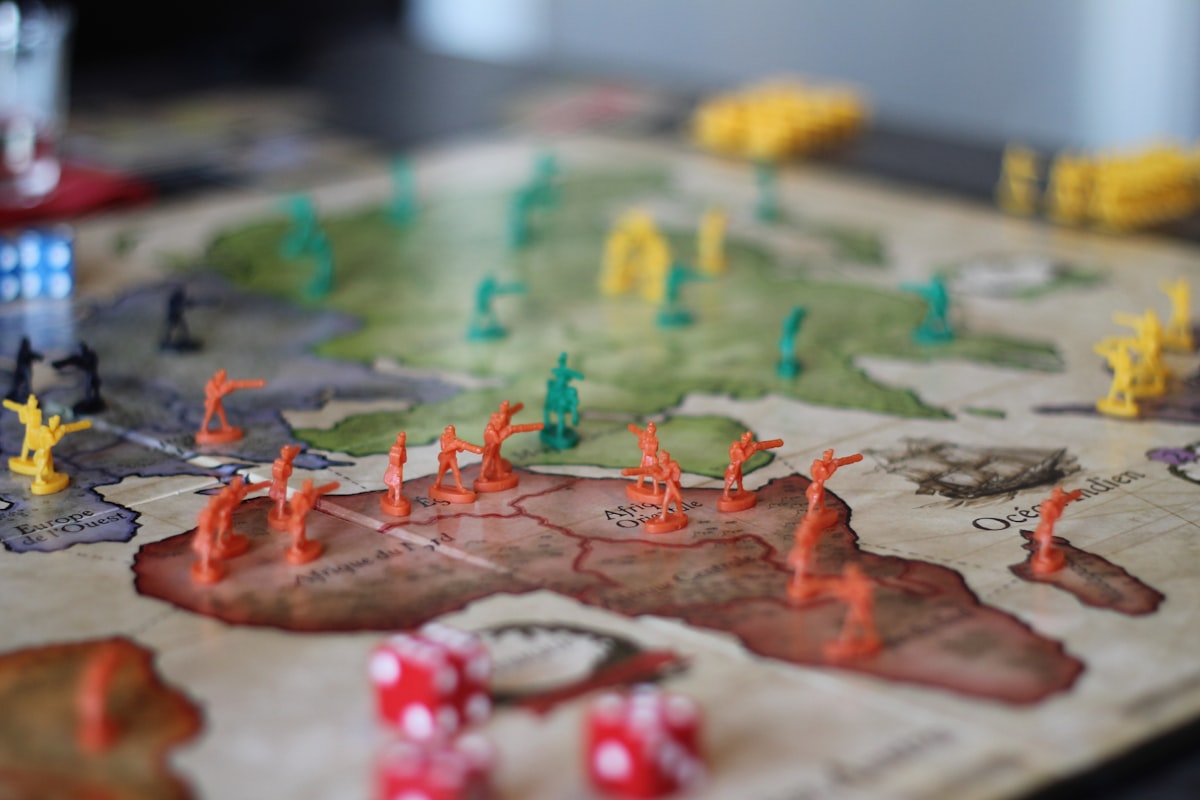 Puzzle Toys for Spatial Reasoning: 12 Picks Ages 3-12 (2026)
 How Many Kids Does Poseidon Have? Myth Facts & Teaching Tips
 Did George Washington Have Kids? | KidsFindShub
 Does Ed Gein Have Kids? The Truth & Teaching Moment
 How Many Kids Did Demeter Have? Myth & Teaching Guide
 Kid Cudi’s Maui Wowie Meaning: Escape, Not Just High
 Who Is the Blonde Kid in Happy Gilmore? (2026)
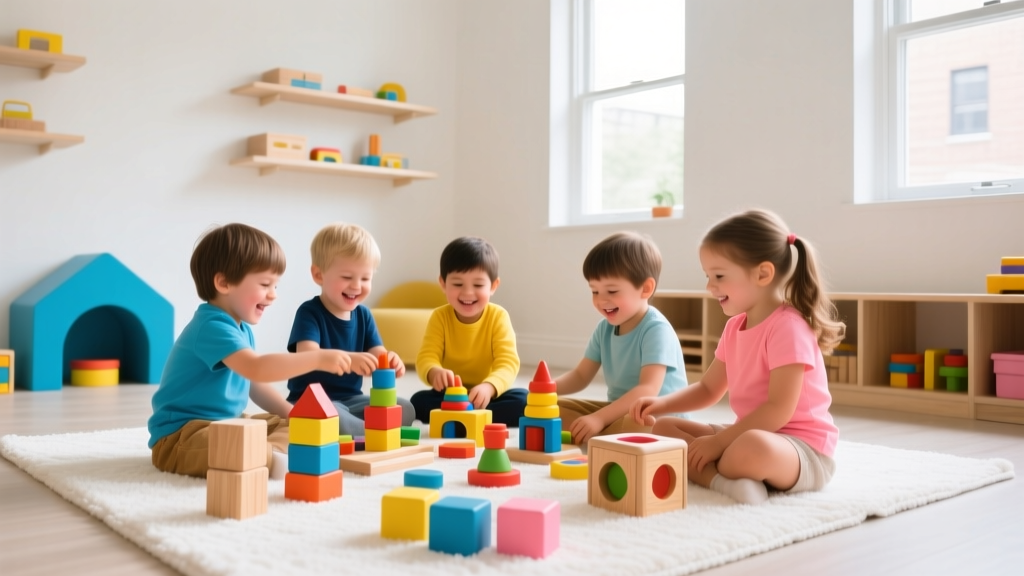 Best Building Blocks for Kids in 2026
 Hands-On Science Investigations for Young Learners
 Solo Mio for Kids: Safety, Screen-Time & Red Flags (2026)