Painting Techniques for Kids: From Finger Paint to
A World of Color Awaits Young Artists
Painting is one of the most expressive and therapeutic art forms for children. Different painting techniques develop different skills — from sensory exploration with finger paints to precision work with watercolors. This guide covers age-appropriate techniques that grow with your child's abilities.
Finger Painting (Ages 1-4)
The most accessible painting technique requires nothing but washable paint and hands. Spread paint on a large sheet of paper or a tray. Let children explore mixing colors, making patterns, and creating textures. This develops sensory awareness and color recognition.
Tip: Use a plastic tablecloth underneath for easy cleanup. Provide smocks or old t-shirts. Work outdoors when possible for mess-free enjoyment.
Sponge and Stamp Painting (Ages 2-6)
Cut sponges into shapes or use found objects like leaves, bottle caps, and potato stamps. Dip in paint and press onto paper to create patterns and pictures. This teaches cause-and-effect while developing grip strength and control.
Brush Painting Basics (Ages 4+)
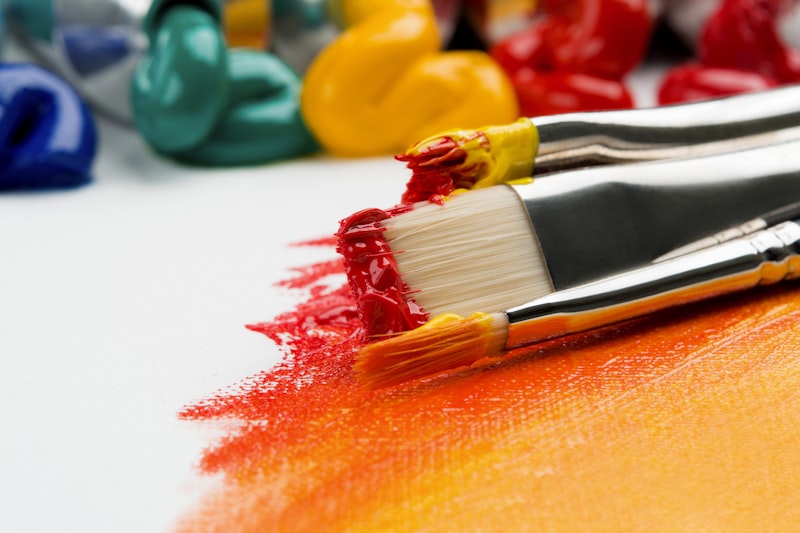
Introduce paintbrushes starting with large handles and thick bristles. Teach basic strokes: dots, lines, circles, and fills. Progress to different brush sizes and techniques like dry brushing, wet-on-wet, and stippling.
- Wet-on-wet: Wet the paper first, then add color — watch it spread and blend magically
- Dry brush: Use minimal paint on a dry brush for textured, scratchy effects
- Stippling: Create images entirely from dots of different sizes and densities
- Color mixing: Start with primary colors and let children discover secondary colors
Watercolor Techniques (Ages 6+)
Watercolors offer unique challenges and beautiful results. Teach children to control water-to-paint ratios. Start with wet-on-wet backgrounds, then add details on dry paper. Explore salt textures, splattering, and resist techniques with crayons or tape.
Acrylic and Mixed Media (Ages 8+)
Acrylic paints offer bold, permanent results. Combine with other materials — collage elements, fabric, found objects — for mixed media masterpieces. Teach layering techniques, since acrylics dry quickly and can be painted over.
Setting Up a Painting Station
Designate a space where mess is acceptable. Stock it with various papers, paints, brushes, and cleanup supplies. Keep an inspiration folder of artworks to reference. Provide aprons and protect surfaces. Having a dedicated space encourages spontaneous creativity.
Encouraging Artistic Growth
Focus on the process rather than the product. Ask open-ended questions about their work: "Tell me about your painting" rather than "What is it?" Display their work at eye level in your home. Visit art museums and discuss different styles. Never correct or repaint their work — celebrate their unique vision.
More Articles
 How to Draw for Kids: Brain-Backed Step-by-Step Guide
 Leprechaun Drawing for Kids: 5 Simple Steps (2026)
 Craft Storage Ideas for Every Supply Type
 Easy Air-Dry Clay Crafts for Kids
 How to Draw a Star for Kids: Easy Methods & Benefits
 How to Draw Martin Luther King Jr. for Kids (2026)
 How to Clean Art Evidence: Forensic Conservator’s Guide
 Watercolor Painting for Kids: Beginner Tips
Creative FAQ: Insights for Artists, Makers & Educators
Watercolor Painting for Kids: Beginner Tips
Creative FAQ: Insights for Artists, Makers & Educators
 How to Make a Book for Kids: Trauma-Informed Guide